

 Posted by
 “You Are Under Digital Arrest” — The Scam That Is Terrifying Indians
Introduction: The Call That Freezes You
Your phone rings.
The caller says:
“This is the police. Your Aadhaar is linked to a criminal case. You are under digital arrest.”
Your heart races.
They know your name.
They know your Aadhaar.
They sound official.
They warn:
- “Do not disconnect the call.”
- “Do not inform anyone.”
- “Your bank accounts will be seized.”
And within hours… people lose lakhs of rupees.
This is not a movie plot.
This is Digital Arrest Scam — one of the fastest-growing psychological cyber scams in India.
Let’s break it down in detail.
🧠 What Is a Digital Arrest Scam?
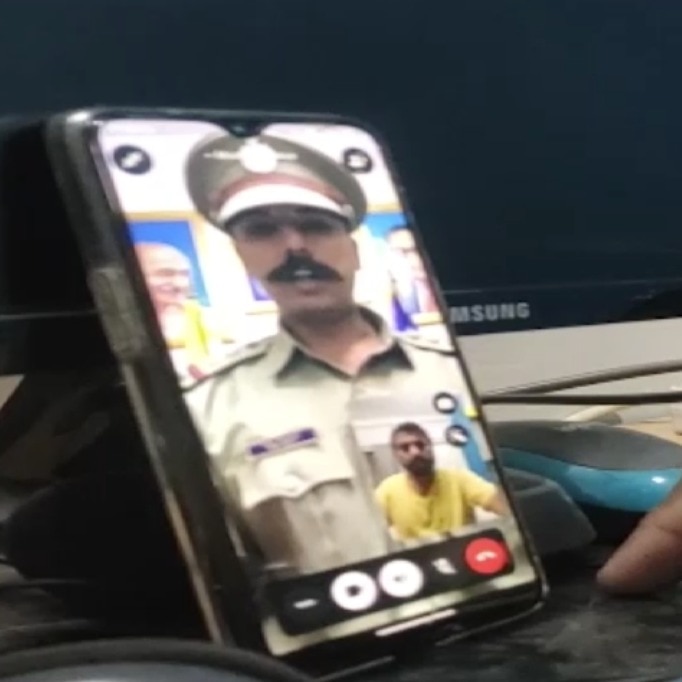
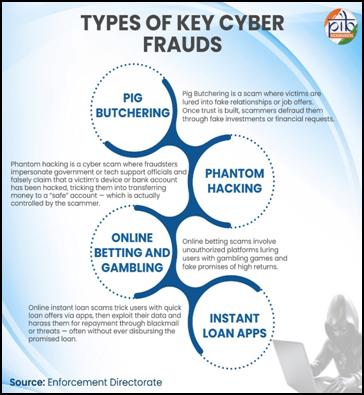
A Digital Arrest Scam is a fraud where criminals:
- Impersonate police, CBI, or government officials
- Accuse you of serious crimes
- Threaten immediate arrest
- Keep you on call (sometimes video call)
- Force you to transfer money for “verification” or “clearance”
There is no such thing as “digital arrest” in Indian law.
It’s completely fake.
🚨 Why This Scam Is So Effective
Because it combines three powerful triggers:
😨 Fear
“Your Aadhaar is used in money laundering.”
⏱️ Urgency
“You will be arrested in 2 hours.”
🧠 Authority
“We are calling from police/CBI.”
This creates panic — and panic kills logic.
🔓 Step-by-Step: How Digital Arrest Scam Works
📞 Step 1: The Initial Call
You receive a call from:
- Unknown number
- VoIP (internet-based number)
- Sometimes spoofed Indian number
Caller claims to be:
- Police officer
- CBI agent
- RBI official
- Telecom authority
🧾 Step 2: Fake Accusation
They say:
- “Your Aadhaar linked to illegal SIM cards”
- “Your bank account used in fraud”
- “Parcel in your name contains drugs”
These are scripted narratives.
🎭 Step 3: Fake Verification
They may:
- Ask for Aadhaar details
- Send fake documents
- Show ID cards
- Transfer call to “senior officer”
Some even do video calls in fake police uniforms.
🔒 Step 4: “Digital Arrest”
They say:
“You are under digital surveillance. Do not disconnect.”
Victim is forced to:
- Stay on call for hours
- Avoid contacting anyone
- Follow instructions blindly
This isolates the victim.
💸 Step 5: Money Extraction
They demand:
- “Security deposit”
- “Verification money”
- “Case settlement amount”
Payment methods:
- UPI
- Bank transfer
- Crypto
🕳️ Step 6: Disappearance
Once money is transferred:
- Calls stop
- Numbers become unreachable
- Victim realizes scam
📊 Real Cases in India
Case: Hyderabad IT Employee
- Received call from “CBI officer”
- Accused of money laundering
- Forced to stay on video call for 5 hours
- Lost ₹15 lakh
Case: Senior Citizen in Delhi
- Told Aadhaar used in drug case
- Threatened with arrest
- Paid ₹8 lakh to “clear name”
Case: Student in Mumbai
- Fake police video call
- Panic attack
- Transferred savings
This scam is spreading rapidly across cities.
🧠 Why Even Smart People Fall for It
Because it’s not a technical hack.
It’s psychological manipulation.
Scammers use:
- Authority pressure
- Legal fear
- Isolation
- Continuous control
Even educated people panic under “arrest threat.”
⚖️ Important Truth: No “Digital Arrest” Exists
Let’s make this crystal clear:
🚫 Police cannot arrest you over a phone call
🚫 No authority demands money to “clear your name”
🚫 Legal process always involves official notice
If someone says “digital arrest” — it is a scam.
🚩 Red Flags of Digital Arrest Scam
Watch for these signs:
- Caller claims to be police/CBI
- Urgent threat of arrest
- Asks you not to disconnect
- Demands secrecy
- Requests money transfer
- Sends fake documents
Even one of these = suspicious.
🔐 What Scammers Usually Know About You
They may have:
- Your name
- Phone number
- Aadhaar (partial/full)
- Address
From:
- Data leaks
- Social media
- Previous scams
This makes them sound convincing.
🛡️ How to Protect Yourself
📵 1. Disconnect Immediately
No genuine authority forces you to stay on call.
📞 2. Verify Through Official Channels
Call:
- Local police station
- Official helpline
Not the number they give.
🔒 3. Never Transfer Money
No investigation requires payment.
🧠 4. Stay Calm
Scammers rely on panic.
Pause. Think.
📢 5. Inform Family
Especially:
- Parents
- Elderly relatives
They are primary targets.
🚨 What To Do If You Already Paid
Act immediately.
🏃 Steps:
- Call 1930 (Cybercrime helpline)
- Report at cybercrime.gov.in
- Inform your bank
- Provide transaction details
- Try to freeze transaction
Faster action = higher recovery chance.
🏛️ Government Response in India
Authorities involved:
- Reserve Bank of India
- Cybercrime units
- Ministry of Home Affairs
Efforts include:
- Awareness campaigns
- Helpline (1930)
- Faster response systems
📉 Why This Scam Is Increasing
Because:
- Fear of law enforcement is high
- People trust authority figures
- Data leaks provide personal info
- Scammers operate from organized networks
And most importantly:
People don’t know this scam exists.
🧠 Final Truth
Digital Arrest Scam is not about hacking.
It’s about:
Controlling your mind long enough to control your money.
No malware.
No hacking tools.
Just fear.
🎯 Conclusion: Awareness Is the Only Defense
If you remember one thing from this article:
No one can arrest you over a phone call.
The moment someone says:
- “You are under digital arrest”
- “Transfer money to clear your name”
Disconnect.
That single action can save your life savings.
📣 Call to Action
Right now:
- Share this with your parents
- Share in family WhatsApp groups
- Educate at least one person
Because this scam targets trust — not technology.
❓ FAQ
What is digital arrest scam in India?
A scam where criminals pretend to be police and threaten arrest to extort money.
Is digital arrest real?
No. It does not exist legally.
Why do scammers keep victims on call?
To isolate them and prevent verification.
Can police ask for money to clear a case?
No. That is always a scam.
What should I do if I get such a call?
Disconnect immediately and verify through official sources.
Can I recover money lost in this scam?
Sometimes, if reported quickly via 1930 and cybercrime portal.
 Spyboy blog