
How Hackers Hack LinkedIn Accounts (And Why Your Next Job Offer Could Be a Scam)
You wake up one morning and receive an email from LinkedIn. Your password has been changed. Except… You never changed
Think Like an Attacker. Secure Like a Pro. Where Curiosity Meets Cybersecurity. Ethical hacking, OSINT, bug bounty, and cybersecurity guides built on real-world experience.
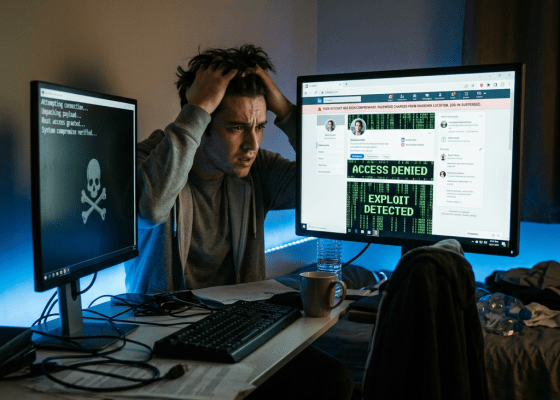
You wake up one morning and receive an email from LinkedIn. Your password has been changed. Except… You never changed
Millions of people log into Roblox every single day. Some play casually after school. Others spend years building games, collecting
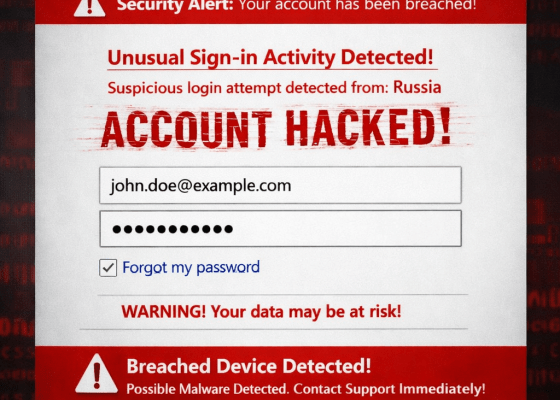
Imagine sitting down at your computer one morning. You open Outlook. It asks for your password. Strange. You enter it.
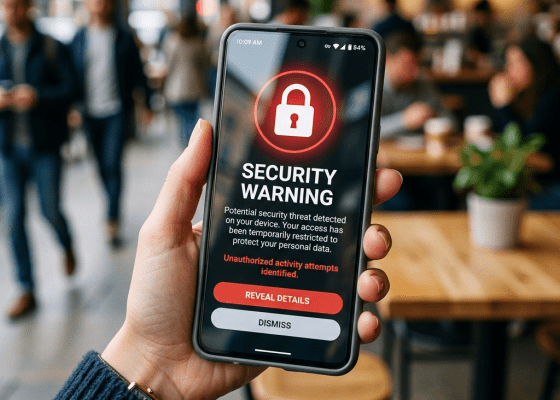
You wake up one morning and reach for your iPhone. Instead of Face ID unlocking your device… You’re greeted with
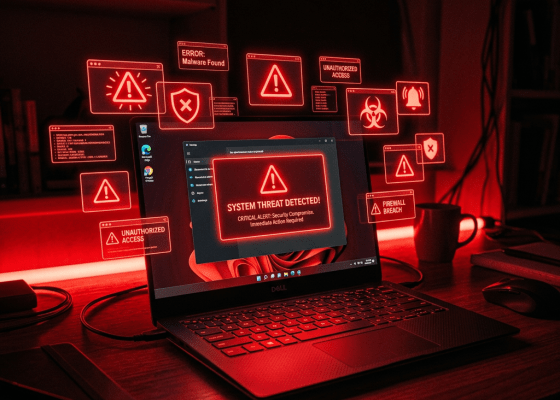
Imagine waking up to an email that says: Your Amazon order has been shipped. There’s just one problem. You never
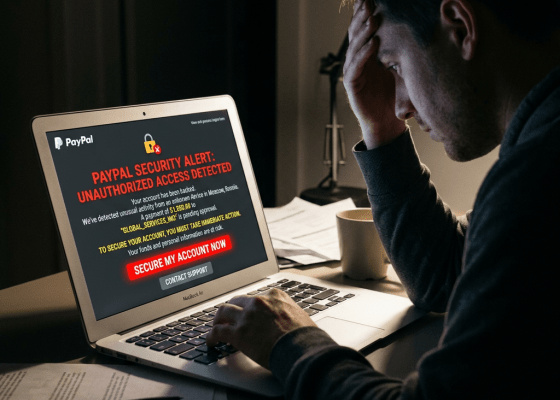
Imagine checking your PayPal account during lunch. Instead of your normal balance, you notice something terrifying. Several payments have been
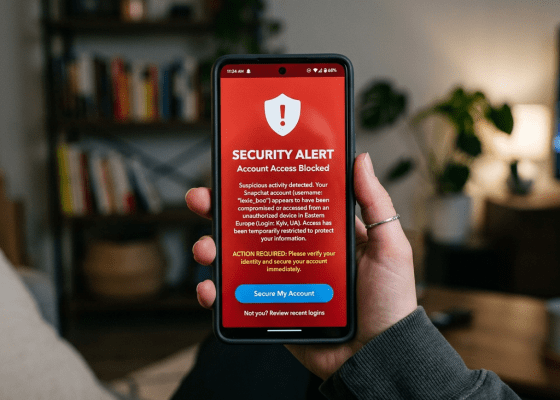
Every day, thousands of Snapchat users wake up to a nightmare. They open the app. Their password doesn’t work. Their
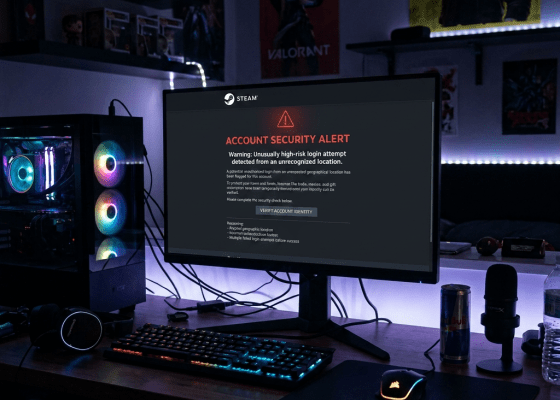
You open Steam after a long day. You’re ready to play your favorite game. But something feels wrong. Your password
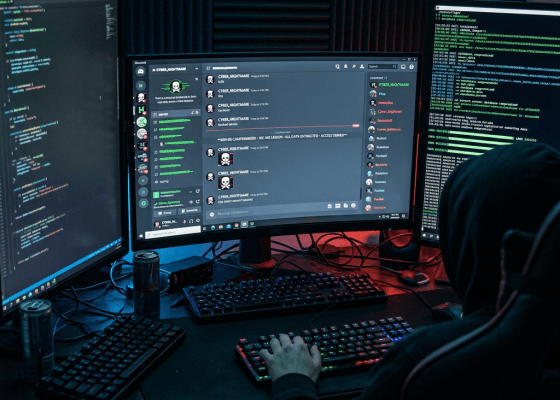
If you’re active on Discord, there’s one uncomfortable truth you should know: Hackers don’t usually “hack Discord.” They hack people.
One stolen password. One phishing email. One malware infection. That’s all it takes for someone to gain access to years
Disclaimer: This article discusses cloud privacy and digital security based on publicly available information and official documentation. It does not

Disclaimer: This article is an opinion piece based on publicly reported information. The criminal allegations described are based on news

If someone gained access to your Gmail account today… What could they do? Most people think the answer is simple:
Imagine opening the news one morning and discovering that criminals may have obtained your: Not because you signed up for
Imagine installing a software update. Exactly like you’ve done hundreds of times before. The update comes from a trusted company.

On May 7, 2021… Most Americans woke up expecting an ordinary Friday. Instead, one of the country’s most important fuel
On July 15, 2020, something unbelievable happened. One after another… Some of the world’s most famous Twitter accounts started posting
In November 2014, employees at Sony Pictures Entertainment arrived at work expecting a normal day. Instead… Their computer screens displayed

Some cyberattacks steal money. Some steal passwords. Some shut down hospitals. But one cyberattack destroyed something much harder to recover.

Imagine finding a mistake in a company’s software. A tiny mistake. So small that most users would never notice it.

Imagine you’re the Chief Information Security Officer of a luxury casino. You’ve invested millions in cybersecurity. Your company has: Everything

For decades, wars were fought with: Then something changed. In the early 2010s, a new kind of weapon quietly appeared.
Imagine discovering a secret key that opens millions of doors. Not one door. Not one building. Millions. Now imagine keeping

Imagine waking up one morning and discovering that your favorite websites simply… Don’t work. You try another website. Still nothing.
Most hacker stories end the same way. Someone breaks into a computer system. Law enforcement gets involved. Arrests are made.
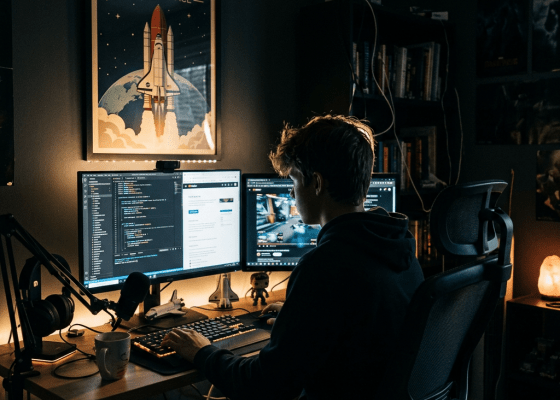
When people hear the word “hacker,” they usually imagine a criminal trying to steal money. But not every famous hack
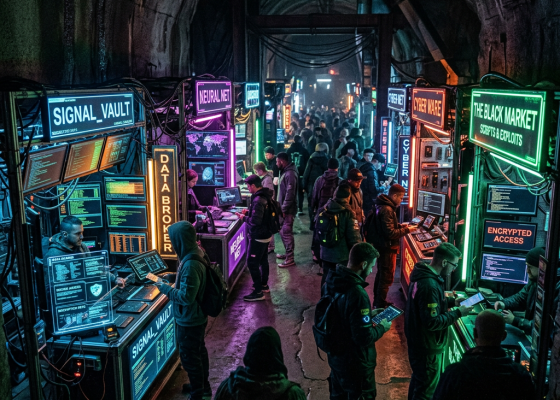
Most people assume their personal information is priceless. After all, your identity includes: It’s uniquely yours. So if cybercriminals steal
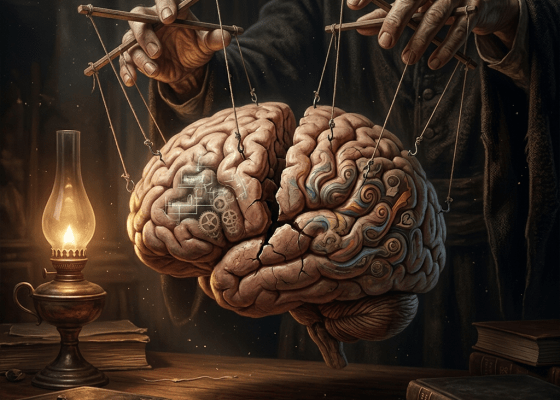
When most people hear about a scam victim, they think: “I would never fall for that.” It’s a comforting thought.
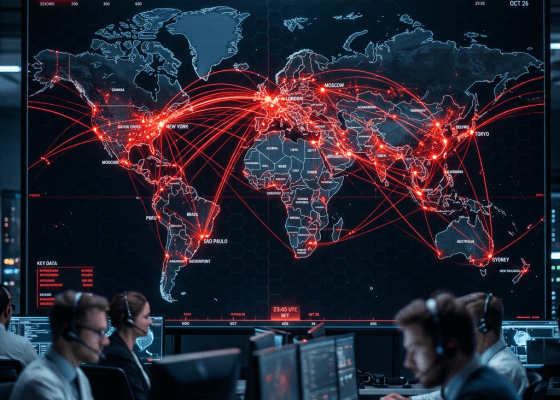
In June 2017, employees across the world arrived at work expecting a normal day. Instead, computers began crashing. Screens turned

When most people think about hackers, they imagine someone sitting in a dark room. Black hoodie. Multiple monitors. Lines of

Most people assume the internet will always be there. Every day we rely on it for: It’s become so normal
You have never met your digital clone. You’ve never seen it. You can’t log into it. You can’t delete it.
A few years ago, seeing was believing. If there was a video of someone saying something… Most people assumed it
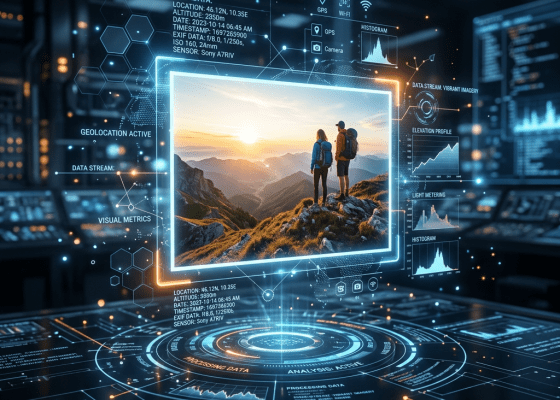
You take a photo. Maybe it’s: Then you upload it. Simple. Harmless. Right? Not always. Because modern photos often contain
Think about the last thing you searched for. Now think about the last 100 things. The last 1,000. The last
When most people imagine a cyberattack, they picture: But here’s the reality that surprises many people: A huge number of
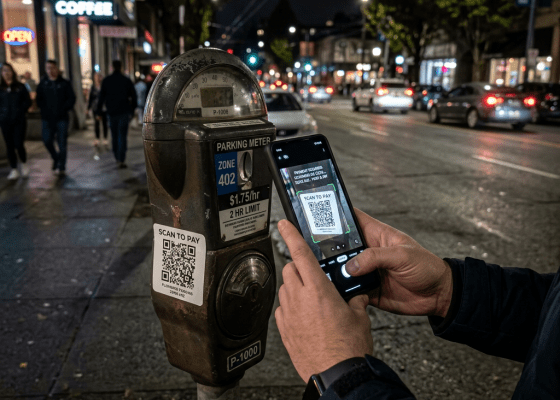
A few years ago, scammers wanted you to click a link. Today? They want you to scan a QR code.
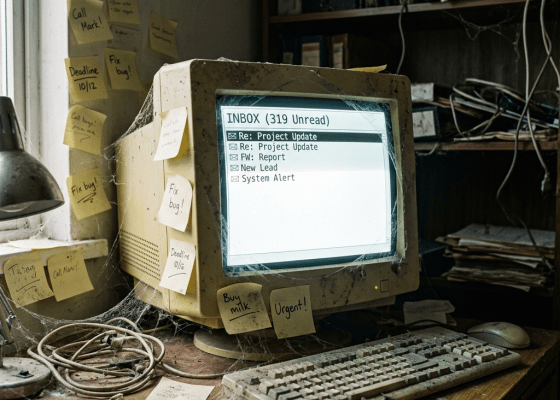
Everyone worries about the email account they use today. But almost nobody worries about: The one they stopped using 5
When people imagine cyberattacks, they picture a hacker breaking into their account. Something like: But here’s a reality most people
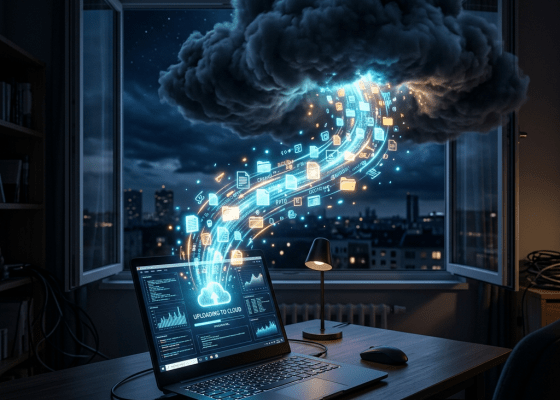
AI tools are everywhere. Need to write an email? There’s an AI for that. Need to summarize a PDF? There’s
When people think about privacy, they imagine hackers breaking into systems. They picture: But what if someone could figure out:
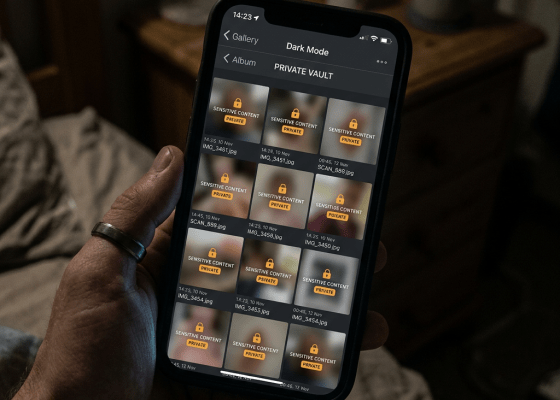
Screenshots feel harmless. You take them all the time: One tap. Saved forever. Simple. Convenient. Forgotten. And that’s exactly the

You’re excited. Vacation booked. Airport check-in complete. You snap a quick photo of your boarding pass and post it online:
Every click.Every search.Every app install.Every “Sign in with Google.” Tiny actions feel harmless. But over time? They create something called
