 Posted by
 You Match With Someone on Tinder. She Seems Perfect. Then the Bill Arrives.
You match with someone on Tinder.
Or Bumble.
Or another dating app.
The conversation feels natural.
She seems interested.
You exchange numbers.
You move to WhatsApp.
Then comes:
“Let’s meet.”
You’re excited.
You ask where.
And surprisingly, she already has a place in mind.
“Let’s go to this café.”
“I know a really nice pub.”
“There’s a restaurant I love.”
You agree.
You arrive.
She orders.
Then orders again.
Maybe drinks.
Maybe expensive food.
Maybe hookah.
Maybe premium items you didn’t even realize were so expensive.
You’re thinking:
“It’s a date. I’ll pay.”
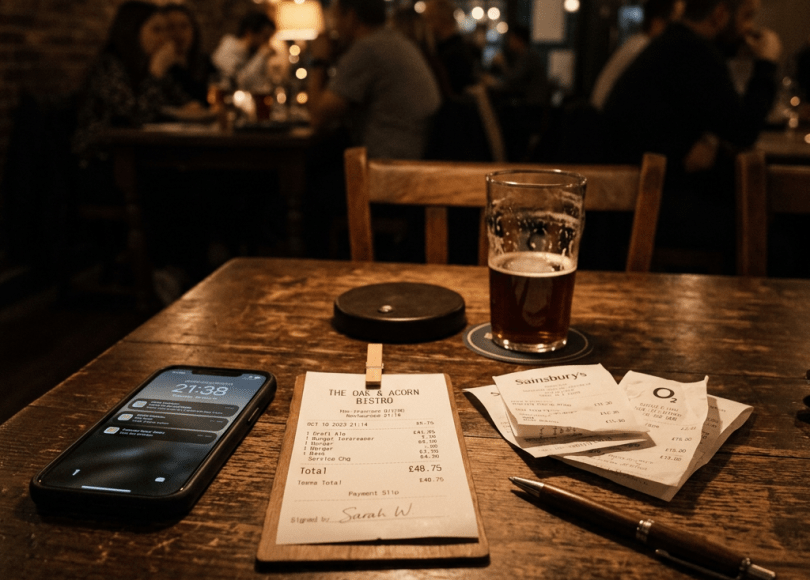
Then the bill arrives.
₹18,000.
Or:
₹27,000.
Or:
₹35,000.
In some reported cases, the amount has been dramatically higher.
And suddenly the romantic date looks very different.
The frightening part is that this isn’t just an internet myth.
Indian police have investigated multiple cases where dating-app contacts allegedly led victims to specific cafés/restaurants, followed by inflated bills, intimidation or other forms of extortion.
In Delhi’s Anand Vihar area, police investigated a café after multiple complaints alleging that men were lured there through dating apps, presented with inflated bills and, in one reported incident, assaulted when they resisted paying. Police registered three cases against the café owner and were also investigating the role of the women allegedly involved. (The Times of India)
And this isn’t limited to Delhi.
In March 2026, Mumbai police reportedly busted a dating-app extortion racket operating from a café in Andheri East and arrested 11 people, including three women. Police alleged that victims were lured through dating apps, taken to the café and pressured to pay inflated bills; investigators also alleged that the café operation involved fake profiles, accomplices posing as bouncers and revenue sharing. (The Times of India)
Another Mumbai investigation reported in 2025 involved a restaurant manager and a larger group allegedly using fake female dating profiles to lure men to a restaurant, where inflated bills were allegedly generated and victims intimidated into paying. (The Times of India)
And in April 2026, police in Nagpur registered an FIR after a man alleged that a dating-app contact took him to a bar where he received a ₹34,213 bill; police said they received two similar complaints and were investigating allegations involving the woman, bar manager, bouncer and owner. (The Times of India)
So what exactly is happening?
And more importantly:
What should you do if it happens to you?
First: Don’t Assume Every Woman Who Suggests a Restaurant Is a Scammer
This is extremely important.
Millions of genuine people use Tinder, Bumble, Hinge and other dating apps.
A woman suggesting a restaurant does not mean she’s involved in a scam.
The problem is the alleged organized pattern seen in some cases:
Dating profile → rapid conversation → move off-app → specific venue → excessive ordering → inflated bill → pressure/intimidation → payment.
That is what you should learn to recognize.
Don’t judge someone based on gender.
Judge the behavior and circumstances.
How the Dating Restaurant Scam Usually Works
The exact method changes between groups, but reported cases show a recurring pattern.
Stage 1 — The Fake or Misleading Dating Profile
You receive a match.
The profile may contain:
- Attractive photographs
- Minimal information
- Recently created account
- Few genuine social connections
- Generic biography
In some reported cases, police have alleged that organized groups created fake female profiles specifically to find targets.
The Mumbai case reported in 2025 is one example in which police alleged that men in the group created fake profiles of women and used them to communicate with potential victims. (The Times of India)
Stage 2 — They Quickly Move You to WhatsApp
This is not automatically suspicious.
People move conversations off dating apps all the time.
But scammers may prefer WhatsApp because it makes it easier to:
- Exchange phone numbers
- Build familiarity
- Send location pins
- Coordinate the meeting
- Continue communication if the dating profile disappears
Stage 3 — They Suggest a Specific Venue
This is one of the biggest warning signs when combined with other suspicious behavior.
Instead of:
“Where would you like to go?”
you get:
“Come to this exact café.”
“I always go to this place.”
“Let’s meet only here.”
The venue may allegedly be part of the operation.
Again, a specific restaurant alone proves nothing.
It’s the combination of:
new match + rapid trust + insistence on one venue + expensive ordering + unusual pricing
that should make you cautious.
Stage 4 — The Ordering Starts
You sit down.
You order something normal.
Then your date starts ordering expensive items.
Maybe:
- Premium alcohol
- Multiple cocktails
- Expensive food
- Hookah
- Desserts
- Multiple rounds
- Items you didn’t ask for
Sometimes the victim doesn’t realize the price until the bill arrives.
Stage 5 — The Bill Arrives
This is the moment the scam becomes obvious.
You expected:
₹2,000–₹4,000
The bill says:
₹18,000.
Or:
₹35,000.
Or much more.
In a widely reported Delhi case from 2024, a Tinder date allegedly ended with a bill of ₹1,21,917.70 at a café. (India Today)
That is an extreme example—but it illustrates why victims can feel trapped.
Stage 6 — You Question the Bill
You say:
“This can’t be right.”
Then the atmosphere changes.
Someone may appear.
A manager.
A bouncer.
Security.
Another employee.
You may be told:
“You have to pay.”
“You ordered it.”
“Pay now.”
In some reported cases, victims have alleged threats or physical intimidation.
At that point, this is no longer simply a disagreement over a restaurant bill.
It can become a serious criminal matter.
One Delhi Case Shows How Serious It Can Become
In February 2026, Delhi Police investigated an Anand Vihar café after complaints alleging dating-app-linked inflated bills and intimidation.
According to the reported police investigation, one man was allegedly assaulted after resisting an exorbitant bill, and his friend was also allegedly attacked after coming to help. Police registered cases against the café owner and sought action concerning the premises’ licensing. (The Times of India)
That’s a completely different situation from:
“I don’t like the price of my meal.”
If you’re being threatened, surrounded, assaulted or prevented from leaving, prioritize your safety and contact police.
Another Reported Case: ₹35,000 Bill and Fake Profiles
A Mumbai investigation reported in 2025 described an alleged operation in which:
- Fake female dating profiles were created.
- Victims were contacted.
- Women took them to a restaurant.
- Restaurant staff allegedly participated.
- Inflated bills were allegedly generated.
- Men allegedly posed as bouncers.
- Victims were pressured to pay.
Police reportedly arrested 22 people in that investigation, including a restaurant manager and other alleged participants. (The Times of India)
The report also described a victim who was presented with a ₹35,000 bill and allegedly threatened.
This is important because it demonstrates something many people don’t realize:
The restaurant may not necessarily be an innocent third party.
But you should never assume that without evidence.
The Biggest Red Flags
One red flag doesn’t prove a scam.
Several together should make you slow down.
🚩 She insists on one particular venue
Especially when you don’t get a choice.
🚩 She refuses cheaper alternatives
You suggest:
Coffee?
She insists:
No, let’s go here.
🚩 She orders extremely expensive items without discussing them
Especially multiple rounds.
🚩 She seems unusually comfortable with expensive prices
“Don’t worry, it’s normal here.”
🚩 The menu doesn’t show prices clearly
Or you’re shown one menu and later billed using another.
A Nagpur case reported in April 2026 involved allegations that a bar used two menus, with lower prices shown before ordering and higher prices allegedly used at billing. Police registered an FIR and were investigating the establishment and several people. (The Times of India)
🚩 She doesn’t seem surprised by the bill
If someone who supposedly chose the restaurant reacts to a ₹30,000 bill as if nothing happened, that’s worth noticing.
🚩 She leaves immediately before the bill
Especially if she says:
“I have an emergency.”
🚩 Staff suddenly become aggressive
Huge warning sign.
🚩 You’re told to pay to a personal UPI ID
This is particularly important.
Look at the payment recipient.
If you’re sitting inside a restaurant but being asked to send ₹25,000 to an unrelated personal UPI ID, stop and question it.
In one Mumbai case, a victim reportedly paid ₹15,000 to a private UPI ID rather than the restaurant’s ID. (The Times of India)
🚩 You’re prevented from leaving
This is a major escalation.
Call police.
How to Protect Yourself Before the Date
You don’t need to become paranoid about dating.
Just add a few basic checks.
1. Don’t Immediately Agree to an Expensive Venue
If someone suggests:
“Let’s meet at this expensive place.”
Say:
“I’d prefer a coffee shop for the first meeting.”
A genuine person should generally understand.
2. Search the Restaurant Before Going
Search the exact name.
Look at:
- Google Maps reviews
- Recent reviews
- Social-media posts
- Consumer complaints
- News reports
Pay particular attention to recent reviews mentioning suspicious billing or dating-app experiences.
Don’t rely on a single review.
Look for patterns.
3. Ask for the Menu Before Ordering
This sounds boring.
Do it anyway.
Check:
- Food prices
- Drink prices
- Taxes
- Service charges
- Cover charges
- Minimum spending requirements
If the menu is unavailable or you’re being rushed into ordering:
Walk away.
4. Don’t Order Something You Don’t Understand
If someone says:
“Try this special drink.”
Ask:
“How much is it?”
There’s nothing embarrassing about asking the price.
5. Keep Your First Date Simple
Coffee.
Restaurant with transparent pricing.
Public place.
Shopping mall café.
A normal first date doesn’t need to cost ₹30,000.
6. Tell a Friend Where You’re Going
Send:
- Venue name
- Location
- Person’s first name
- Approximate meeting time
You don’t need to share intimate conversations.
Just make sure someone knows where you are.
7. Don’t Drink Excessively
This is especially important.
If you’re meeting someone for the first time, stay sufficiently sober to:
- Read the bill
- Track your belongings
- Make decisions
- Leave if necessary
8. Don’t Hand Over Your Phone
Someone may say:
“Let me call my friend.”
Keep control of your phone.
9. Don’t Share Banking Credentials
Never provide:
- OTP
- UPI PIN
- Card PIN
- CVV
- Net-banking password
No genuine date needs them.
What If You Are Already Sitting There and Something Feels Wrong?
Trust that feeling.
You don’t need courtroom-level proof before leaving.
Say:
“I don’t feel comfortable. I’m leaving.”
If the bill is normal:
Pay what you genuinely owe and leave.
If you believe the bill is fraudulent or you are being pressured:
Ask for an itemized bill.
Document what is happening.
Ask for an Itemized Bill
Don’t accept:
Total: ₹27,500
Ask for:
- Individual items
- Quantity
- Price
- Taxes
- Additional charges
- Service charge
- Discounts
Take a photograph of the bill.
Photograph the Menu
If you suspect overcharging, photograph:
- Menu
- Prices
- Restaurant name
- Address
- Bill
- Payment QR code
This can become valuable evidence later.
Don’t Secretly Escalate the Situation
If several people are surrounding you:
Don’t start shouting:
“You’re scammers!”
Don’t physically fight.
Don’t threaten staff.
Don’t smash anything.
Your priority is getting out safely.
If You’re Being Threatened or Physically Prevented From Leaving
This is much more serious.
Call police.
In an immediate emergency in India:
112
Delhi Police currently lists 112 as its 24×7 emergency response number. (Delhi Police)
If you’re in Delhi, Delhi Police also lists 1930 for cyber complaints. (Delhi Police)
What If You Already Paid?
Don’t panic.
You still have options.
Immediately save:
- Bill
- Payment receipt
- UPI transaction ID
- UPI ID
- Restaurant name
- Date/time
- Menu
- Screenshots
- Dating profile
- WhatsApp number
- Chat history
- Call logs
- Location
- Any photographs
- Witness information
If You Paid Through UPI
Save the transaction details.
Especially:
UPI transaction ID / reference number
Recipient UPI ID
Amount
Date and time
If you believe the transaction was fraudulent and immediate reporting is appropriate, contact your bank/payment provider and report financial cyber fraud through 1930 and the National Cyber Crime Reporting Portal.
Don’t wait days.
If You Paid by Card
Contact your card issuer immediately.
Explain that you believe the transaction was connected to a fraudulent/forced billing incident.
Ask about:
- Dispute/chargeback procedures
- Card security
- Transaction complaint
- Reference number
Keep all documentation.
Report the Cyber Aspect
If the scam began through:
- Tinder
- Bumble
- Hinge
- QuackQuack
- Another online platform
you can report the cybercrime through:
National Cyber Crime Reporting Portal
The portal is the Government of India’s mechanism for reporting cybercrime complaints to law-enforcement agencies. (Delhi Police Cyber Crime Unit)
Call 1930 If Money Was Fraudulently Taken
If the incident involved a digital financial fraud/payment, call:
1930
The National Cyber Crime Reporting Portal identifies 1930 as the financial cyber-fraud helpline. (Consumer Helpline)
Also submit the complaint online.
Report the Dating Profile
Report the account to the dating platform.
Choose the most accurate category, such as:
- Scam
- Fraud
- Fake profile
- Financial exploitation
- Harassment
Save screenshots before the profile disappears.
Report the Restaurant to the Police
If you believe the restaurant was part of an organized scam, provide police with:
- Restaurant name
- Address
- Bill
- Menu
- Payment details
- Date/time
- Name/description of the person
- Dating profile
- Phone number
- WhatsApp messages
- Photos
- CCTV location/time
- Names of staff if known
- Names of witnesses
- Other victims if known
Don’t try to investigate the restaurant yourself.
Let police obtain CCTV and other records through proper processes.
Ask Police to Check CCTV
This can be extremely important.
Restaurant CCTV may show:
- Your arrival
- Your date’s arrival
- Staff interactions
- Ordering
- The billing process
- People surrounding you
- Whether someone else was coordinating with your date
Tell investigators the approximate time.
CCTV can be overwritten, so report quickly.
Ask for the Written Complaint/FIR Details
When making a police complaint, keep:
- Complaint acknowledgement
- Diary/DD/GD number where applicable
- FIR number if registered
- Police station name
- Investigating officer’s details where provided
Don’t leave with nothing documenting that you reported the incident.
What About the Restaurant’s Legal Liability?
This is where people need to be careful.
You cannot automatically say:
“The restaurant is guilty because the bill was expensive.”
Expensive food isn’t automatically a crime.
The legal picture becomes much more serious if there is evidence of things such as:
- Deception
- Fake representations
- Coordinated fraud
- Forged bills
- Hidden pricing
- Deliberately misleading menus
- Extortion
- Threats
- Assault
- Illegal confinement
- Unauthorized payment
- Fraudulent digital transactions
The exact offences depend on the evidence and circumstances.
Police and prosecutors determine what provisions apply.
What About the Woman Who Invited You?
Again, the facts matter.
A person isn’t guilty simply because:
“She invited me to a restaurant.”
But if investigators establish that someone knowingly participated in a coordinated scheme to deceive or extort victims, that can be very different.
In the Delhi Anand Vihar investigation, police were reportedly examining the role of the women who allegedly induced victims to visit the café. (The Times of India)
In the Mumbai investigation, police similarly alleged that women were involved in the broader operation alongside restaurant staff and other accused. (The Times of India)
So don’t make accusations publicly based on suspicion.
Give the evidence to police.
What About Consumer Protection?
This is an important route many victims overlook.
If you have a dispute involving a restaurant’s billing or service, you can consider approaching the National Consumer Helpline (NCH).
The Department of Consumer Affairs says NCH is a pre-litigation grievance mechanism for consumer complaints and provides escalation to the appropriate Consumer Commission where a grievance isn’t satisfactorily resolved. (Consumer Helpline)
The current NCH contact options include:
1915
and the NCH website:
NCH currently lists operating hours of 8 AM–8 PM and also provides online, WhatsApp and app-based complaint options. (Consumer Helpline)
What Can You Complain About?
Depending on the facts, your consumer complaint could address issues such as:
- Misleading pricing
- Billing discrepancies
- Misrepresentation
- Unfair trade practices
- Failure to provide transparent information
The Department of Consumer Affairs states that consumer rights include the right to be informed and the right to seek redressal against unfair trade practices. (Consumer Helpline)
But remember:
NCH is not a substitute for police reporting when you believe you’ve been defrauded, threatened, assaulted or extorted.
You may need both routes.
Don’t Confuse Service Charge With a Fake Bill
Restaurant billing disputes can get complicated.
A bill containing a service charge isn’t automatically the same thing as a dating scam.
Likewise, a high food price isn’t automatically fraud.
Your complaint should focus on the actual issue:
What was represented before ordering, what was actually supplied, what was charged, and whether there was deception, coercion or coordination.
Evidence matters.
What If the Restaurant Refuses to Give You a Bill?
Ask for an itemized bill.
If they refuse and you believe something improper is happening, document the refusal if it is safe to do so.
Don’t physically fight staff over paperwork.
If you’re being threatened, call police.
What If They Say “Pay or We Won’t Let You Leave”?
That’s a major red flag.
Don’t risk your physical safety over ₹20,000.
If you are being threatened or prevented from leaving:
Call 112.
Your safety is more important than winning the argument over the bill.
What If Bouncers Surround You?
Don’t fight.
Don’t threaten them.
Don’t try to film aggressively if doing so escalates the situation.
Move toward a safer/public area if possible.
Call police.
If you have a friend nearby, tell them what’s happening.
What If They Take Your Phone?
If someone physically takes your phone or prevents you from contacting help, tell police.
Don’t physically attack someone trying to take it back if that could put you in greater danger.
What If Your Date Says She Didn’t Know About the Scam?
That’s possible.
Don’t try to decide guilt yourself.
Tell police exactly what happened.
Let investigators determine:
- Who communicated with whom
- Whether accounts were fake
- Whether payments were coordinated
- Whether staff participated
- Whether other victims exist
- Whether the venue was knowingly involved
The Pattern Is More Important Than One Bad Date
One overpriced dinner doesn’t necessarily prove an organized dating scam.
But imagine:
20 victims
all saying:
- Same dating app
- Similar profile
- Same restaurant
- Similar ordering behavior
- Similar inflated bills
- Similar payment instructions
- Similar threats
Now investigators have something much more significant to examine.
That’s why:
Report it even if you think you’re the only victim.
You might not be.
Don’t Delete Your Dating App Account Immediately
This is another common mistake.
If you delete the app immediately, you may lose easy access to:
- Profile information
- Chat history
- Match information
First preserve what you can.
Take screenshots.
Save the username/profile information.
Then report the account.
Preserve the Original WhatsApp Chat
Don’t just screenshot one message.
Preserve the entire conversation where possible.
It can establish:
- How you met
- What she said
- Who suggested the restaurant
- What was ordered
- Whether pricing was discussed
- What happened afterward
Save Location History
If your phone’s location history was enabled, preserve relevant information showing:
- When you arrived
- When you left
- Restaurant location
Don’t manipulate or fabricate records.
Original information is more useful.
Save Your Ride History
If you used:
- Uber
- Ola
- Rapido
save the trip receipt.
It can establish:
- Pickup location
- Destination
- Time
- Payment
Save Your Bank Statement
If you paid digitally:
Download the relevant statement.
Don’t rely on one SMS.
Don’t Publicly Dox the Girl or Restaurant
You may be furious.
But don’t post:
“This is the scammer’s address.”
or:
“Everyone go attack this restaurant.”
Don’t publish private information.
Don’t encourage harassment.
Don’t threaten anyone.
Give the information to police and relevant regulators.
Don’t Try to Get Revenge
Don’t:
- Hack their Instagram
- Track their phone
- Break into their email
- Threaten their family
- Publish their personal information
- Send people to their home
- Create fake accounts
You could turn yourself from victim into someone facing a separate complaint.
How Dating App Scammers Build Trust
The scam doesn’t necessarily begin with the bill.
It may begin days earlier.
They may:
- Reply quickly
- Flirt heavily
- Ask personal questions
- Call frequently
- Compliment you
- Create emotional connection
- Make you feel chosen
Then the meeting feels natural.
That’s why scams based on relationships can be so effective.
The “Too Perfect” Profile
Be cautious when someone:
- Immediately becomes extremely interested
- Wants to move off-app immediately
- Refuses normal video verification
- Has very limited social history
- Gives contradictory details
- Avoids reasonable questions
- Insists on an unusual meeting arrangement
Again:
One sign isn’t proof.
Patterns matter.
A Safer First-Date Strategy
Try this:
First meeting:
Public + inexpensive + short + easy to leave.
For example:
Coffee.
A normal café.
Shopping mall.
Busy public location.
Then:
“Let’s meet for 45 minutes and see how it goes.”
If everything is genuine, you can always extend the date.
Ask One Simple Question Before Meeting
“Where would you like to meet?”
If she suggests somewhere expensive:
“I’d rather meet at a normal café for the first time.”
Her reaction can tell you something.
A genuine person may simply say:
“Sure.”
If someone becomes unusually angry or insists:
“No. Only this place.”
That’s worth reconsidering.
A ₹500 Coffee Can Save You ₹30,000
You don’t need to spend thousands to prove you’re serious about dating.
The first meeting is about determining whether you actually enjoy each other’s company.
Keep it simple.
Dating Scam Emergency Checklist
If you think you’ve been caught in a restaurant dating scam:
- Stay calm.
- Prioritize your physical safety.
- Ask for an itemized bill.
- Photograph the menu and bill if safe.
- Save payment details.
- Save the dating profile.
- Save WhatsApp chats.
- Save phone numbers.
- Save call logs.
- Note the exact time and location.
- Record witness details if available.
- Call 112 if threatened or physically prevented from leaving.
- Contact your bank if the payment was fraudulent.
- Call 1930 for financial cyber fraud.
- Report through cybercrime.gov.in.
- Report the dating profile.
- File a police complaint.
- Ask for an acknowledgement/FIR details.
- Contact National Consumer Helpline — 1915 regarding the consumer/billing grievance.
- Preserve CCTV-relevant timing information.
- Don’t threaten or dox anyone.
- Don’t hire a “hacker” to retaliate.
The Most Important Lesson
The scam isn’t necessarily:
“A girl asked me on a date.”
The scam is the alleged coordinated process:
Fake/targeted profile
↓
Trust building
↓
Specific venue
↓
Excessive ordering
↓
Unexpected bill
↓
Pressure
↓
Payment
↓
Threat/intimidation
That’s the pattern to recognize.
Final Thoughts
Dating apps aren’t inherently dangerous.
Tinder isn’t inherently a scam.
Bumble isn’t inherently a scam.
And a woman suggesting a restaurant doesn’t mean she’s part of a criminal operation.
But organized dating scams do exist, and police investigations across Indian cities show that some alleged operations have gone far beyond an awkward or expensive date.
Delhi.
Mumbai.
Gurugram.
Nagpur.
And other cities have seen reported cases involving dating-app contacts, restaurants, inflated bills, extortion or related fraud. (The Times of India)
The safest approach isn’t to stop dating.
It’s to remove the conditions that make these scams profitable.
Meet somewhere public.
Keep the first date inexpensive.
Check the venue beforehand.
Ask prices before ordering.
Don’t hand over your phone.
Don’t share banking credentials.
And if the situation suddenly turns into threats or intimidation:
Don’t fight over the bill. Get somewhere safe and call the police.
If you’ve already paid and believe you were defrauded:
Preserve the evidence → contact your bank → call 1930 if it involved financial cyber fraud → report at cybercrime.gov.in → file a police complaint → contact the National Consumer Helpline.
And remember:
Being embarrassed is not a reason to stay silent.
The person who scams you is counting on you thinking:
“I don’t want anyone to know.”
That’s exactly why many victims never report.
Your complaint could be the one that connects your experience to ten other victims—and helps investigators uncover the larger operation.
Discover more from Spyboy blog
Subscribe to get the latest posts sent to your email.
