
 Posted by
 When most people hear about a scam victim, they think:
“I would never fall for that.”
It’s a comforting thought.
Unfortunately…
It’s also one of the most dangerous beliefs on the internet.
Because scammers don’t succeed by targeting stupid people.
They succeed by targeting:
- Busy people
- Tired people
- Distracted people
- Emotional people
- Trusting people
In fact, some of the biggest scam victims in history have been:
- CEOs
- Engineers
- Lawyers
- Doctors
- IT professionals
People who are highly intelligent.
Highly educated.
Highly successful.
So how does it happen?
Why do smart people click suspicious links, send money to scammers, or reveal sensitive information?
The answer has less to do with intelligence…
And far more to do with psychology.
In this deep dive, we’ll explore:
- 🧠 Why intelligence doesn’t stop scams
- 🎭 The psychology of manipulation
- ⚠️ Emotional triggers scammers exploit
- 📱 Why modern scams are so effective
- 💰 Real-world examples of successful fraud
- 🛡 How to become harder to manipulate
Because cybersecurity isn’t just a technology problem.
It’s a human problem.
The Biggest Cybersecurity Myth
The myth:
Smart people don’t get scammed.
Reality:
Anyone can be manipulated under the right circumstances.
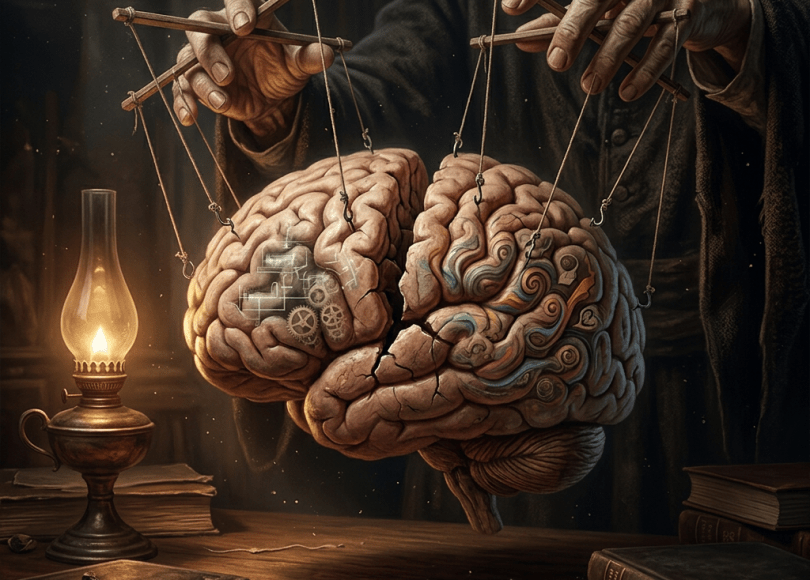
Scams aren’t IQ tests.
They’re psychological attacks.
And psychology affects everyone.
Why Scammers Study Human Behavior
Cybercriminals understand something important:
Computers have vulnerabilities.
Humans do too.
Examples include:
- Fear
- Urgency
- Curiosity
- Greed
- Trust
- Authority
Scams are often designed around these emotions.
Not technical weaknesses.
The Power of Urgency
Imagine receiving a message:
Your account will be suspended in 10 minutes.
Suddenly your brain changes.
Instead of analyzing carefully, many people focus on:
Solving the problem quickly.
That’s exactly what attackers want.
Urgency short-circuits critical thinking.
Fear Is One of the Most Effective Weapons
Many scams rely on fear.
Examples:
- Tax problems
- Bank issues
- Account suspensions
- Security alerts
- Legal threats
Fear creates pressure.
Pressure creates mistakes.
Mistakes create opportunities.
Authority Makes People Obey
Imagine receiving instructions from:
- Your boss
- Your bank
- A government agency
- Technical support
People naturally trust authority figures.
Attackers know this.
That’s why impersonation remains one of the most effective scam techniques.
Curiosity Is Dangerous Too
Humans are naturally curious.
Messages like:
Look what I found about you.
Or:
Is this your photo?
Trigger curiosity.
Curiosity motivates clicks.
And clicks create risk.
Why Smart People Are Sometimes Easier Targets
This sounds counterintuitive.
But highly intelligent people may:
- Overestimate their ability to detect scams
- Act quickly under pressure
- Trust their instincts too much
Confidence can become a weakness.
The belief:
“I can’t be fooled.”
Can make people less cautious.
The Romance Scam Problem
Some of the most financially devastating scams aren’t technical at all.
They’re emotional.
Romance scams exploit:
- Loneliness
- Trust
- Hope
- Connection
Victims aren’t tricked because they’re unintelligent.
They’re manipulated because they’re human.
Why Scammers Love Busy People
When you’re:
- Working
- Traveling
- Stressed
- Managing multiple tasks
You make faster decisions.
Faster decisions often mean:
Less verification.
Less scrutiny.
More mistakes.
The Scarcity Trick
People react strongly to:
Limited time offer
Last chance
Only one spot left
Scarcity creates urgency.
Urgency reduces analysis.
Scammers have used this principle for decades.
Why Social Engineering Still Dominates
Many cyberattacks don’t begin with code.
They begin with:
Conversation.
Manipulation.
Persuasion.
Because convincing someone to open the door is often easier than breaking it down.
The Psychology of Trust
Humans evolved to trust.
Society depends on trust.
Without trust:
- Business fails
- Relationships fail
- Communication fails
Scammers exploit a feature of humanity.
Not a flaw.
That’s what makes them effective.
Why Everyone Has an Emotional Trigger
Some people respond to:
Fear.
Others respond to:
Opportunity.
Others respond to:
Authority.
Nobody is immune to every trigger.
Everyone has something that influences decision-making.
Warning Signs You’re Being Manipulated
🚩 Urgent deadlines
Pause.
🚩 Strong emotional reactions
Think carefully.
🚩 Requests for secrecy
Major warning sign.
🚩 Pressure to act immediately
Slow down.
🚩 Authority without verification
Confirm independently.
How To Become Harder to Scam
Now the important part.
🔐 1. Slow Down
Most scams depend on speed.
🛡 2. Verify Independently
Never trust a single source.
📱 3. Be Skeptical of Urgency
Urgency is often manufactured.
🌐 4. Recognize Emotional Manipulation
Awareness helps.
🚫 5. Don’t Assume You’re Immune
This may be the most important rule.
🔍 6. Question Unexpected Requests
Especially involving money or credentials.
Comparison: What People Think vs Reality
| Popular Belief | Reality |
|---|---|
| Scams target stupid people | Scams target human psychology |
| Intelligence prevents fraud | Emotions affect everyone |
| Only elderly people get scammed | Victims come from every age group |
| Technology is the main issue | Psychology is often the main issue |
| I can’t be fooled | Anyone can be manipulated |
The Bigger Truth: Cybersecurity Is Really About Human Behavior
Firewalls matter.
Encryption matters.
Passwords matter.
But many attacks succeed because:
Humans make decisions.
And decisions can be influenced.
That’s why psychology remains one of the most important topics in cybersecurity.
Final Thoughts: The Most Dangerous Vulnerability Isn’t Software
It’s overconfidence.
The belief that:
“It could never happen to me.”
Because scams aren’t designed to fool everyone.
They’re designed to fool someone.
At the right moment.
Under the right circumstances.
With the right emotional trigger.
And that someone can be:
Anyone.
Including smart people.
Frequently Asked Questions (FAQ)
❓ Why do intelligent people fall for scams?
Because scams exploit psychology, emotions, and decision-making rather than intelligence alone.
❓ What is social engineering?
Manipulating people into taking actions or revealing information.
❓ Are older people the only scam victims?
No. Scam victims come from every age group and profession.
❓ What emotion do scammers exploit most?
Common examples include fear, urgency, trust, curiosity, and opportunity.
❓ How can I avoid being manipulated?
Slow down, verify independently, and be cautious when emotions are involved.
❓ What is the biggest mistake people make?
Believing they are immune to scams.
Final Call to Action
The next time you receive an urgent message:
- Pause
- Verify
- Slow down
- Question the request
- Think before acting
Because the most successful scammers in the world don’t hack computers first.
They hack people.
Discover more from Spyboy blog
Subscribe to get the latest posts sent to your email.
