
 Posted by
 A few years ago, job applications looked like this:
A person writes a resume.
A person writes a cover letter.
A person submits an application.
Simple.
Today?
AI can:
- Write resumes
- Write cover letters
- Generate portfolios
- Answer interview questions
- Create professional headshots
- Rewrite LinkedIn profiles
- Generate coding solutions
And some job seekers are using AI for almost the entire process.
The result?
Companies are receiving applications that look incredible on paper.
But not all of them reflect the actual skills of the applicant.
For the first time, recruiters are facing a strange new problem:
Is this candidate real, or is this candidate’s AI doing all the work?
In this deep dive, we’ll uncover:
- 🤖 How AI is transforming job applications
- 📄 AI-generated resumes explained
- 🎤 The rise of AI-assisted interviews
- ⚠️ Problems companies are beginning to face
- 💼 What this means for job seekers
- 🔮 The future of hiring in the AI era
Because today…
The competition for your next job may not just be humans.
The Resume Arms Race Has Started
Years ago candidates competed using:
- Experience
- Education
- Skills
Now they also compete using:
- AI writing tools
- AI optimization tools
- AI resume generators
As a result:
Resumes are becoming increasingly polished.
Sometimes unrealistically polished.
Why Recruiters Are Seeing Better Resumes Than Ever
Modern AI can:
- Improve wording
- Fix grammar
- Optimize formatting
- Match job descriptions
- Highlight achievements
A mediocre resume can suddenly look exceptional.
This creates a new challenge:
How do you identify genuine expertise?
The Rise of AI Interviews
Some candidates now use AI tools during:
- Video interviews
- Technical interviews
- Screening calls
Tools may:
- Suggest answers
- Summarize questions
- Generate responses
The recruiter speaks with a person.
But sometimes the person has assistance.
LinkedIn Profiles Are Changing Too
AI can generate:
- Headlines
- Summaries
- Experience descriptions
- Skill explanations
This means many professional profiles now sound remarkably similar.
Everyone appears:
- Strategic
- Dynamic
- Results-driven
- Innovative
The language is becoming standardized.
The Problem Isn’t AI
Important distinction:
Using AI isn’t automatically dishonest.
Many employers expect candidates to use modern tools.
The issue appears when:
The AI performs tasks the candidate cannot.
That’s where questions emerge.
Can AI Fake Technical Skills?
Not entirely.
Sooner or later:
Reality appears.
Especially in:
- Coding tests
- Practical work
- Real projects
- Team collaboration
AI can help someone get an interview.
It cannot magically create years of experience.
Why Employers Are Adapting
Companies are changing hiring processes.
Increasingly using:
- Live exercises
- Practical tasks
- Real-world scenarios
- Project-based evaluations
Because polished resumes alone are becoming less useful.
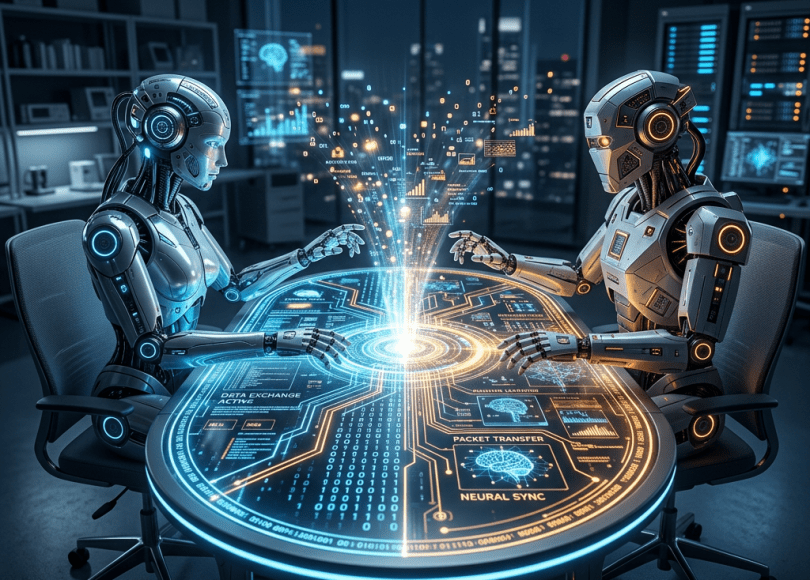
The Future: AI vs AI
An interesting possibility is emerging:
Candidates use AI.
Recruiters use AI.
Hiring platforms use AI.
Screening systems use AI.
Eventually:
AI may evaluate applications generated by other AI.
What Job Seekers Should Actually Do
The best approach isn’t:
Avoid AI.
It’s:
Use AI responsibly.
Let AI help you:
- Communicate better
- Organize information
- Improve clarity
But make sure:
The work still represents you.
Final Thoughts
The hiring world is changing faster than most people realize.
For decades the challenge was:
Getting noticed.
Now the challenge is:
Proving authenticity.
Because as AI becomes better at presenting people…
The value of genuine skills may become even more important.
Discover more from Spyboy blog
Subscribe to get the latest posts sent to your email.
