
 Posted by
 Most people see smartwatches as simple gadgets.
Something that:
- Counts steps
- Tracks workouts
- Shows notifications
- Monitors sleep
- Displays heart rate
Convenient.
Useful.
Harmless.
Right?
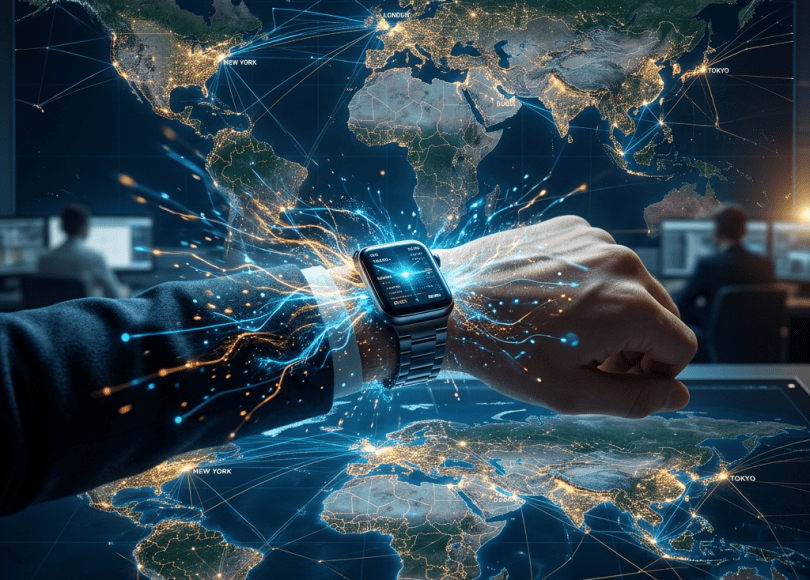
But modern smartwatches collect an astonishing amount of information about you.
Not just:
- Steps
- Calories
- Time
But potentially:
- Heart patterns
- Sleep habits
- Location history
- Stress signals
- Daily routines
- Exercise behavior
- Device interactions
- Health trends
And because watches stay attached to your body for hours every day…
They may know more about your habits than almost any device you own.
In this deep dive, we’ll uncover:
- ⌚ What smartwatches really collect
- 📍 Why wearable data is incredibly valuable
- 🕵️ Hidden privacy concerns most users ignore
- ⚠️ Why health data deserves special attention
- 🔐 Risks from apps and permissions
- 🛡 How to protect your wearable privacy
Because today…
Your watch doesn’t just tell time.
It tells a story about your life.
Smartwatches Became Tiny Computers
Modern smartwatches include:
- GPS
- Heart sensors
- Accelerometers
- Microphones
- Bluetooth
- WiFi
- App ecosystems
Some even support:
- Calls
- Payments
- Voice assistants
- Health monitoring
- Sleep analysis
That creates enormous amounts of behavioral data.
What Your Smartwatch May Know About You
Smartwatches can potentially understand:
📍 Where you go
Location patterns reveal:
- Home
- Workplace
- Gym
- Travel routines
❤️ Health habits
Patterns involving:
- Exercise
- Heart activity
- Sleep cycles
- Activity trends
😴 Sleep behavior
Some watches estimate:
- Sleep duration
- Sleep timing
- Rest patterns
🏃 Daily routines
Wearables may infer:
- Wake-up times
- Movement habits
- Lifestyle patterns
That’s surprisingly detailed.
Why Health Data Is So Valuable
Health information is among the most sensitive data categories.
Because it can reveal:
- Lifestyle behavior
- Activity trends
- Long-term patterns
- Personal routines
Companies increasingly value behavioral insights.
Because data helps power:
- Recommendations
- Analytics
- Personalization
- AI systems
Location Data Makes Wearables More Powerful
GPS information can reveal:
- Frequently visited places
- Travel routes
- Daily schedules
- Habit patterns
Repeated locations often identify:
- Home addresses
- Workplaces
- Routines
That’s extremely valuable information.
The Hidden Risk: Third-Party Apps
Smartwatches increasingly support:
- Fitness apps
- Productivity tools
- Health integrations
- Custom watch faces
And many apps request permissions.
Examples include:
- Location
- Activity data
- Microphone access
- Health integrations
Users often approve access quickly.
Why Connected Devices Create Bigger Privacy Questions
Wearables rarely operate alone.
They connect with:
- Phones
- Cloud systems
- Apps
- Health dashboards
That means data may move across:
Multiple devices.
Multiple services.
Multiple platforms.
People often underestimate how connected systems become.
Smartwatches and Microphones
Some watches include:
- Voice assistants
- Calling features
- Speech input
This means microphones increasingly appear on wearables too.
Users often think:
“It’s just a watch.”
But modern watches contain sensors similar to phones.
Can Smartwatches Be Hacked?
Like any connected technology:
Potential risks exist.
Examples include:
- Vulnerable apps
- Bluetooth weaknesses
- Outdated software
- Account compromise
The average user risk remains relatively low.
But updates still matter.
Another Overlooked Problem: Lost Devices
People lose wearables constantly.
And forgotten devices may still contain:
- Notifications
- Messages
- Contacts
- Activity history
- Connected sessions
Many users never configure:
- Passcodes
- Device locks
- Security settings
Convenience often wins.
Why Smartwatch Notifications Matter
Your watch may display:
- Banking alerts
- Authentication codes
- Emails
- Messages
That means sensitive information sometimes appears:
Right on your wrist.
Without users thinking about visibility.
The Psychology Behind Wearables
People trust watches because:
- They feel personal
- They feel simple
- They seem less “powerful” than phones
But smartwatches increasingly operate like miniature smartphones.
That changes the privacy discussion.
Warning Signs You Should Review Settings
🚩 Excessive permissions
Check what apps access.
🚩 Constant location use
Review background access.
🚩 Unknown connected apps
Remove unused services.
🚩 No device lock enabled
Important security feature.
🚩 Outdated firmware
Updates matter.
How to Protect Smartwatch Privacy
Now the important part.
🔐 1. Enable Device Lock
Use:
- PINs
- Passcodes
- Device security
🛡 2. Review App Permissions
Check:
- Location
- Microphone
- Health access
🌐 3. Limit Third-Party Integrations
Reduce unnecessary connections.
🚫 4. Remove Unused Apps
Less software = less exposure.
📱 5. Review Notification Visibility
Limit sensitive previews.
🔍 6. Keep Firmware Updated
Security updates matter.
Comparison: Privacy-Aware vs Risky Smartwatch Habits
| Safer Habits | Riskier Habits |
|---|---|
| Device lock enabled | No protection |
| Minimal permissions | Grant everything |
| Limited apps | Install randomly |
| Updated software | Ignore updates |
| Controlled notifications | Show sensitive data openly |
The Bigger Problem: Wearables Are Becoming Data Ecosystems
Technology keeps shrinking.
But data collection keeps expanding.
Smartwatches are becoming:
- Health trackers
- Location systems
- Communication devices
- Behavioral sensors
And many people still think:
“It’s just a watch.”
That assumption is changing fast.
Final Thoughts: Smartwatches Collect More Than Fitness Data
Wearables provide incredible benefits.
They can help with:
- Health awareness
- Fitness tracking
- Convenience
- Communication
But convenience often comes with tradeoffs.
Because when a device sits on your body all day…
It naturally learns a lot about you.
More than most people realize.
Frequently Asked Questions (FAQ)
❓ Do smartwatches track location?
Some smartwatches use GPS and location services for activity tracking and navigation.
❓ Can smartwatches collect health information?
Yes. Depending on features enabled, wearables may collect activity, sleep, and health-related information.
❓ Are smartwatch apps risky?
Third-party apps can introduce privacy and permission concerns.
❓ Can smartwatches be hacked?
Like other connected devices, vulnerabilities may exist if software becomes outdated.
❓ Should smartwatches use passcodes?
Yes. Device locks help protect notifications and sensitive information.
❓ Why are wearable permissions important?
Permissions control access to sensitive features like location, microphones, and health data.
Final Call to Action
Right now:
- Review smartwatch permissions
- Enable device security
- Remove unused apps
- Update firmware
- Check notification settings
- Share this article with someone wearing a smartwatch right now
Because your watch today…
May understand your routine better than you think.
Discover more from Spyboy blog
Subscribe to get the latest posts sent to your email.
