
How to Check If Your Password Has Been Leaked Online (2026 Guide)
Have you ever wondered whether someone has your password without you knowing? Your account might look completely normal even if
Think Like an Attacker. Secure Like a Pro. Where Curiosity Meets Cybersecurity. Ethical hacking, OSINT, bug bounty, and cybersecurity guides built on real-world experience.

Have you ever wondered whether someone has your password without you knowing? Your account might look completely normal even if
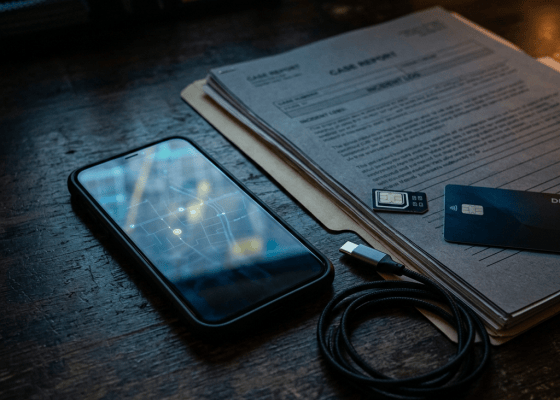
Losing your phone is stressful. Having it stolen is even worse, especially when it contains your photos, private messages, email
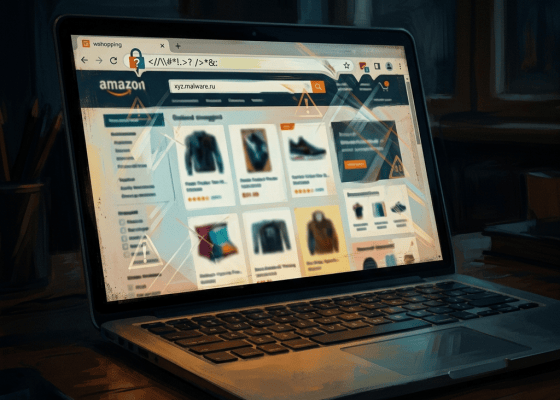
You receive a message claiming you’ve won a prize. You find an online store selling an expensive phone at an

Learn how OSINT investigators use a single username as a starting point to map publicly available digital footprints across websites, forums, code repositories, social platforms and old accounts—while staying within legal and ethical boundaries.

You find a suspicious website. Maybe it is pretending to be a bank. Maybe it is copying a Microsoft, Google,
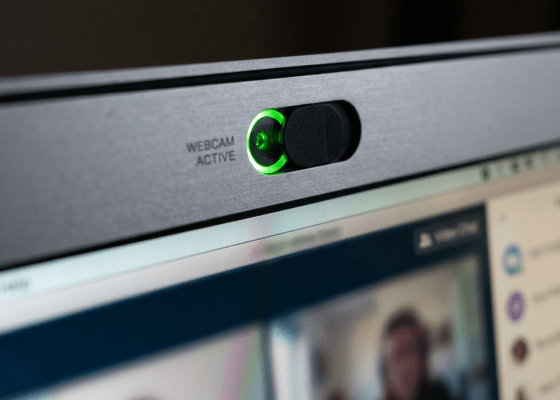
Can hackers secretly access your webcam or microphone? Learn how webcam spying works, how malicious apps and browser permissions expose your camera and mic, warning signs of surveillance, how to check Windows, Android, iPhone and browser permissions, and how to protect yourself.
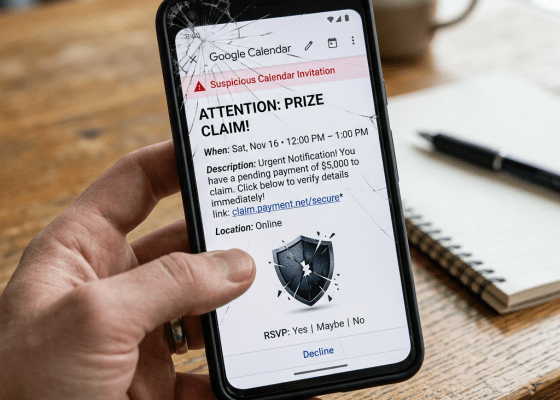
You probably don’t think of your calendar as a cybersecurity tool. You think of it as a place for: Meetings
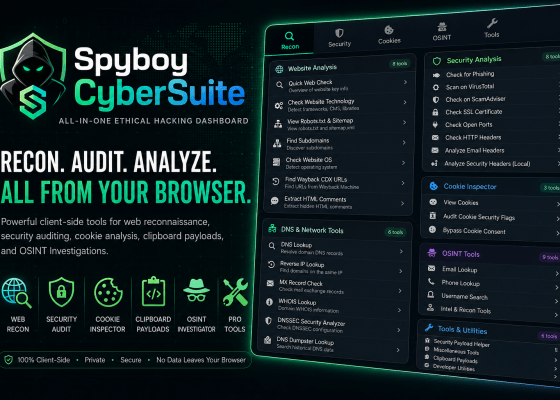
Security testing often means jumping between a dozen different tools, websites, browser tabs, and terminal windows. You might need one
You Pressed Delete… And instantly felt relieved. The photo disappeared. The message vanished. The email was gone. The file left
It’s Just a Watch… Or is it? Most people buy a smartwatch to: Count steps. Read notifications. Track workouts. Pay
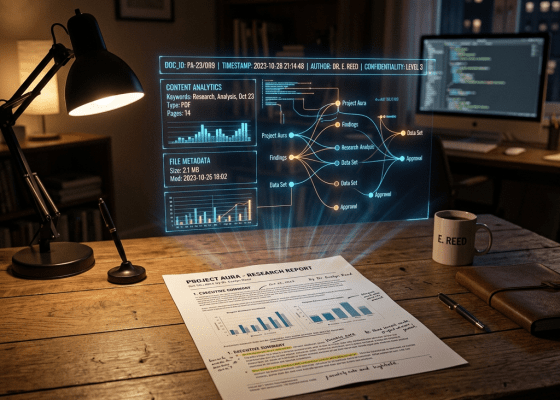
You finish writing an important document. A resume. A business proposal. A legal contract. A research paper. An invoice. A

You take a selfie. Or maybe a photo of your new car. Your vacation. Your pet. Your lunch. Your child

You send a WhatsApp message. A few seconds later, you regret it. You tap: Delete → Delete for Everyone. The

Your phone is taken. It’s locked. You haven’t given anyone your PIN. So everything inside must be safe, right? Not

Your phone is probably the most personal object you own. Think about that for a moment. Your wallet contains your

Think you have nothing to hide? Open your Google account for the next five minutes. Not Gmail. Your entire Google

Most people assume their personal information is priceless. After all, your identity includes: Your name Your email Your phone number

When most people hear about a scam victim, they think: “I would never fall for that.” It’s a comforting thought.

Imagine sitting in a job interview. You answer questions. You smile. You explain your experience. You discuss your strengths and

You take a photo. Maybe it’s: Your new car Your vacation Your pet Your house Your lunch A beautiful sunset

Think about the last thing you searched for. Now think about the last 100 things. The last 1,000. The last

When most people imagine a cyberattack, they picture: A hacker writing code A firewall being bypassed Malware infecting a computer
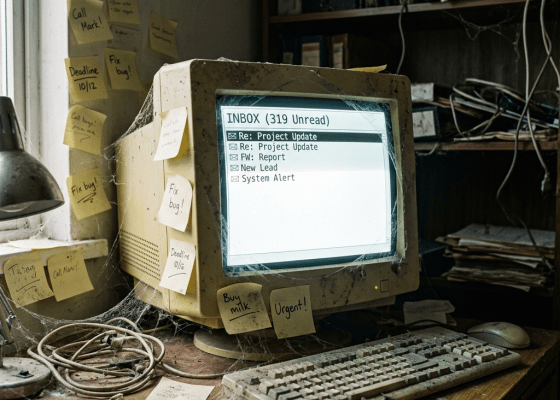
Everyone worries about the email account they use today. But almost nobody worries about: The one they stopped using 5

When people imagine cyberattacks, they picture a hacker breaking into their account. Something like: Cracking passwords Bypassing security Writing malware

When people think about privacy, they imagine hackers breaking into systems. They picture: Malware Spyware Surveillance tools Sophisticated cyberattacks But

You’re excited. Vacation booked. Airport check-in complete. You snap a quick photo of your boarding pass and post it online:

Every click.Every search.Every app install.Every “Sign in with Google.” Tiny actions feel harmless. But over time? They create something called
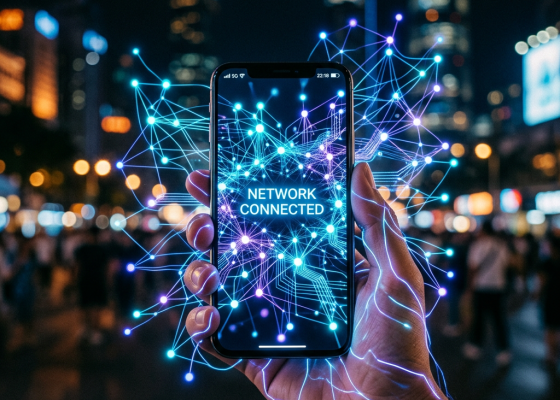
Most people connect to WiFi without thinking twice. Home WiFi.Friend’s hotspot.Office network.College WiFi.Café internet. You connect… and assume: “It’s just

Most people think privacy works like this: Change DNS → Use private browser → Problem solved. Unfortunately… That’s not how
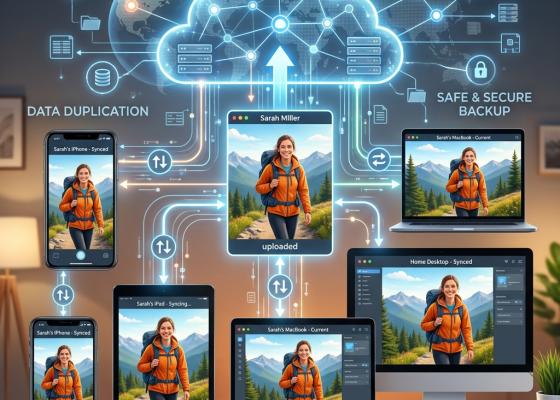
You delete a photo. Then another. Then maybe hundreds. You empty: 🗑 Recently Deleted And think: “Done. Gone forever.” But

Most people think deleting a file works like this: You click: 🗑 Delete And it disappears forever. Gone. Destroyed. Finished.
Most people worry about webcams. That little camera on your: Laptop Phone Smart TV Tablet People cover it with: Tape
A few years ago, fake videos looked obvious. Strange faces.Robotic voices.Weird movements. Easy to spot. Not anymore. Today, AI can
Whether it’s your kids heading to school, parents traveling alone, or a partner commuting late at night—knowing someone’s location can

We’ve all done it. Someone says, “My phone’s dead—can I make a quick call?”It feels harmless, even helpful. But here’s

You’ve probably seen messages like: “Don’t open that image — hackers can see your IP and track your location.” Sounds

You’re connected to your home or café WiFi. Everything is normal.Suddenly—you get disconnected. You reconnect… and it happens again.Frustrating, right?
Most people think Instagram hacking is obvious.A shady message. A weird login alert. A suspicious app. But in reality? The

You didn’t type anything. You didn’t log in. You just clicked… and your browser already revealed a full profile. Most
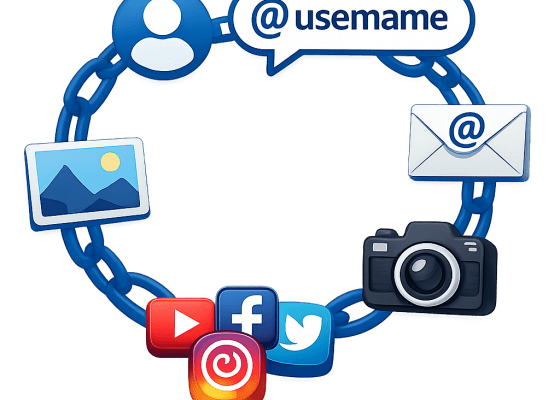
If someone wanted to learn about you using only public data… what would they find? Running OSINT on yourself is

A single photo can be enough to connect identities across the internet. Reverse image search has quietly become one of

You deleted the app… but not all the data it created. Uninstalling an app feels like a clean break. In

You didn’t upload anything… yet your browser still told a story about you. Every time you open a website, your

Most people aren’t “hacked” because attackers are highly skilled. They’re compromised because they’re predictable. In real-world incidents, attackers rarely pick
