
How Hackers Hack Gmail Accounts (And the 8 Most Common Mistakes That Let Them In)
If someone gained access to your Gmail account today… What could they do? Most people think the answer is simple:
Think Like an Attacker. Secure Like a Pro. Where Curiosity Meets Cybersecurity. Ethical hacking, OSINT, bug bounty, and cybersecurity guides built on real-world experience.

If someone gained access to your Gmail account today… What could they do? Most people think the answer is simple:

Imagine finding a mistake in a company’s software. A tiny mistake. So small that most users would never notice it.

Imagine you’re the Chief Information Security Officer of a luxury casino. You’ve invested millions in cybersecurity. Your company has: Everything

Imagine waking up one morning and discovering that your favorite websites simply… Don’t work. You try another website. Still nothing.

Most hacker stories end the same way. Someone breaks into a computer system. Law enforcement gets involved. Arrests are made.

When people hear the word “hacker,” they usually imagine a criminal trying to steal money. But not every famous hack

Most people assume their personal information is priceless. After all, your identity includes: It’s uniquely yours. So if cybercriminals steal

When most people hear about a scam victim, they think: “I would never fall for that.” It’s a comforting thought.

When most people think about hackers, they imagine someone sitting in a dark room. Black hoodie. Multiple monitors. Lines of

You take a photo. Maybe it’s: Then you upload it. Simple. Harmless. Right? Not always. Because modern photos often contain

When people imagine cyberattacks, they picture a hacker breaking into their account. Something like: But here’s a reality most people
Most people connect to WiFi without thinking twice. Home WiFi.Friend’s hotspot.Office network.College WiFi.Café internet. You connect… and assume: “It’s just

Most people think deleting something means: Gone forever. Delete photos? Gone.Clear browser history? Gone.Empty recycle bin? Gone. Not exactly. When

Most people think privacy works like this: Change DNS → Use private browser → Problem solved. Unfortunately… That’s not how

Most people think deleting a file works like this: You click: 🗑 Delete And it disappears forever. Gone. Destroyed. Finished.

A few years ago, fake videos looked obvious. Strange faces.Robotic voices.Weird movements. Easy to spot. Not anymore. Today, AI can

We’ve all done it. Someone says, “My phone’s dead—can I make a quick call?”It feels harmless, even helpful. But here’s

You’ve probably seen messages like: “Don’t open that image — hackers can see your IP and track your location.” Sounds

Most people think Instagram hacking is obvious.A shady message. A weird login alert. A suspicious app. But in reality? The

Instagram isn’t just a social app anymore — it’s identity, business, reputation, and sometimes even income. And in 2026, attackers

A single photo can be enough to connect identities across the internet. Reverse image search has quietly become one of

Attacks rarely begin with code—they begin with curiosity and a trail of public clues. When people think of “hacking,” they

“It’s just a name and a number.”That assumption is exactly why this combo is so powerful. Individually, a name or

“People think hacking takes hours of coding… but in many cases, it takes just a few minutes—and one mistake.” If

“Phishing isn’t just about stealing passwords anymore… it’s about collecting intelligence.” When most people hear “phishing,” they think of fake

“No one puts their full address online… yet it can still be found.” That’s the paradox of modern internet privacy.

(And what developers can do to stop them) Important note for readers:This article explains reverse engineering at a high, educational

WordPress powers over 43% of the entire internet. From personal blogs to billion-dollar businesses, WordPress is everywhere — and that

Web application penetration testing in 2026 looks very different from what it did even three years ago. AI-assisted development, serverless
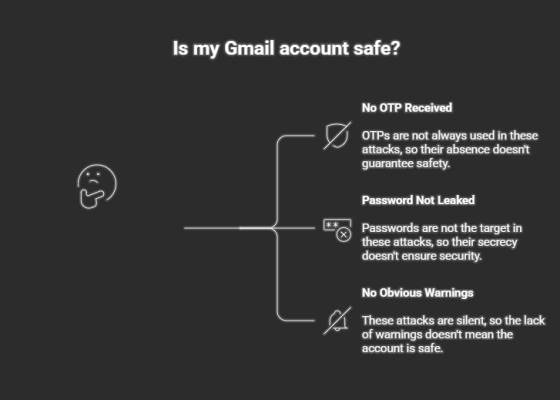
If you believe your Gmail is safe because no OTP arrived and your password wasn’t leaked, this post is going
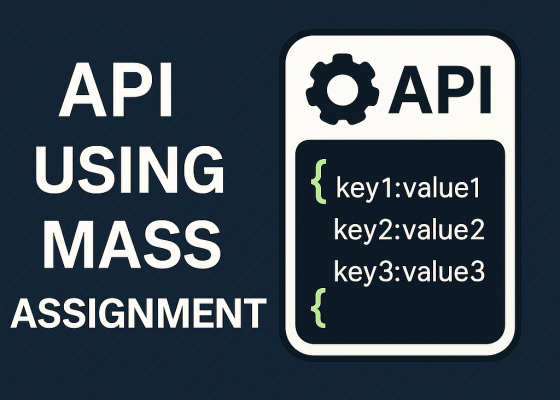
(Silent Privilege Escalation via Over-Posting – Educational Case Study) DisclaimerThis article is strictly for educational and defensive purposes.All APIs, fields,
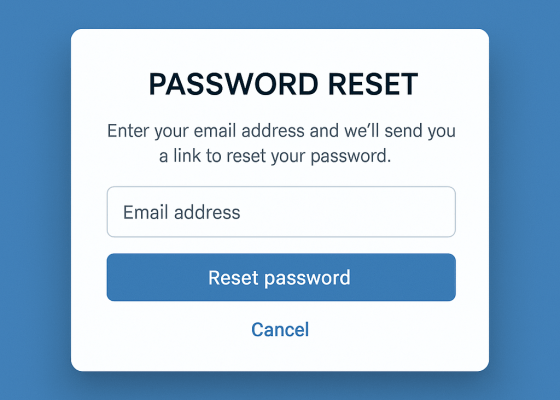
(Account Takeover via Reset Logic Abuse – Educational Case Study) DisclaimerThis write-up is strictly for educational and defensive purposes.All applications,

Imagine waking up one day to find your WhatsApp chats quietly being read by a stranger — no OTP stolen,
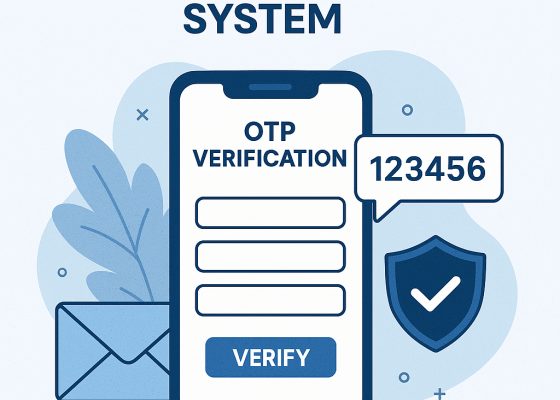
(Authentication Bypass via Logic & Timing – Educational Case Study) DisclaimerThis article is written strictly for educational and defensive purposes.All

(Concurrency Abuse That Developers Almost Never Test – Educational Case Study) DisclaimerThis article is written strictly for educational and defensive
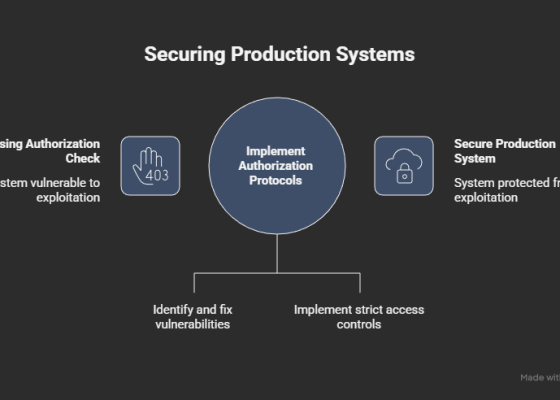
(The Anatomy of a Full Compromise – Educational Case Study) DisclaimerThis article is for educational and defensive learning only.All systems,
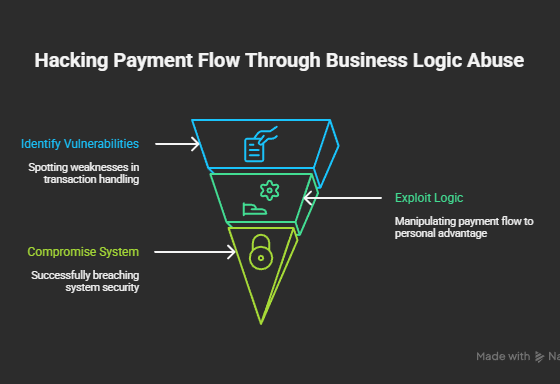
(No Code Injection, No Exploits – Just Broken Logic) DisclaimerThis article is written strictly for educational and defensive purposes.All applications,
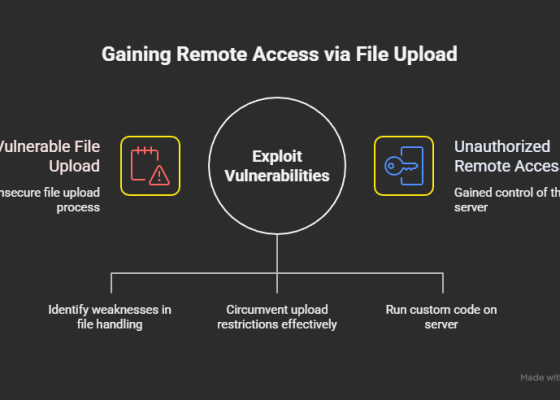
(File Upload Abuse → Remote Code Execution – Educational Case Study) DisclaimerThis article is written strictly for educational and defensive
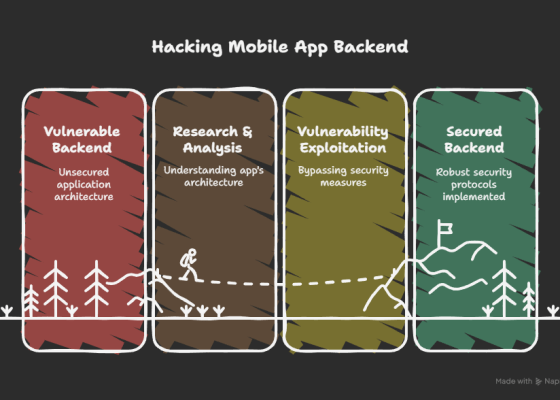
(Backend Abuse via Mobile APIs – Educational Case Study) DisclaimerThis write-up is strictly for educational and defensive purposes.The mobile app,
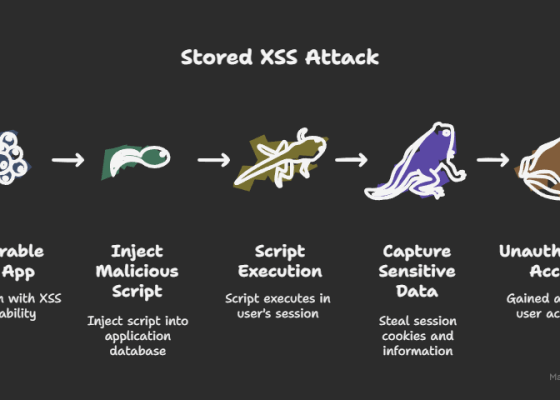
(Persistent Client-Side Exploitation – Educational Case Study) DisclaimerThis content is for educational and defensive purposes only.The application, payloads, endpoints, and
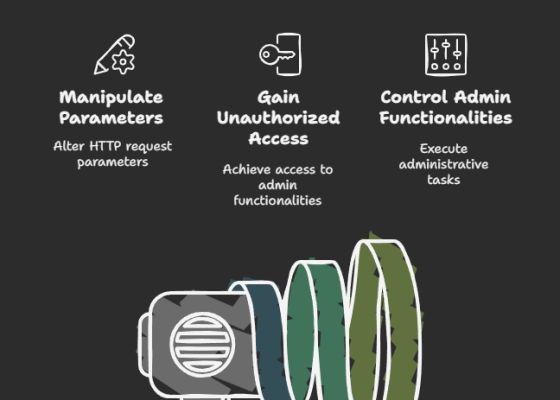
(Privilege Escalation via Trusting Client Input – Educational Case Study) DisclaimerThis write-up is for educational and defensive purposes only.All endpoints,
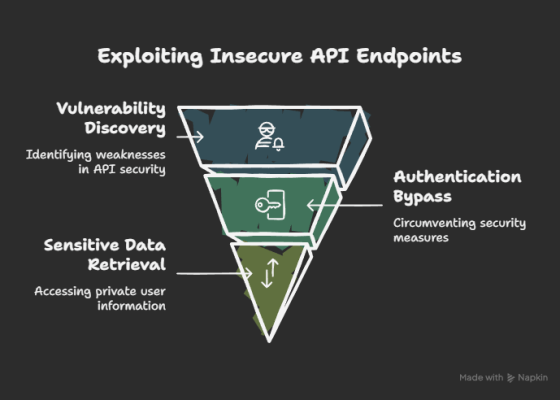
(Post-Authentication Abuse – Educational Case Study) DisclaimerThis article is for educational and defensive purposes only.The application, endpoints, IDs, and data
(No Brute Force, No Rate Limits Bypassed – Educational Case Study) DisclaimerThis article is strictly for educational and defensive learning
(Beyond IDOR – A Real-World Authorization Failure Case Study) DisclaimerThis write-up is strictly educational.The application, endpoints, roles, and identifiers are
