How to Check If Your Password Has Been Leaked Online (2026 Guide)
Have you ever wondered whether someone has your password without you knowing? Your account might look completely normal even if
Think Like an Attacker. Secure Like a Pro. Where Curiosity Meets Cybersecurity. Ethical hacking, OSINT, bug bounty, and cybersecurity guides built on real-world experience.

Have you ever wondered whether someone has your password without you knowing? Your account might look completely normal even if
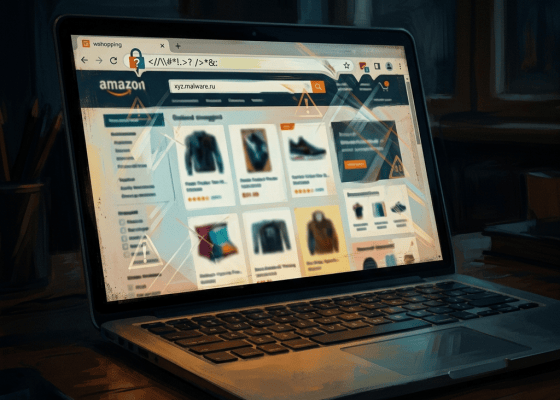
You receive a message claiming you’ve won a prize. You find an online store selling an expensive phone at an

Have you ever searched your name on Google and found your phone number, home address, old profiles, or personal information

Your email account is one of the most important parts of your digital identity. It may be connected to your
Your phone suddenly starts heating up. The battery drains faster than usual. You receive an unfamiliar login alert, or an
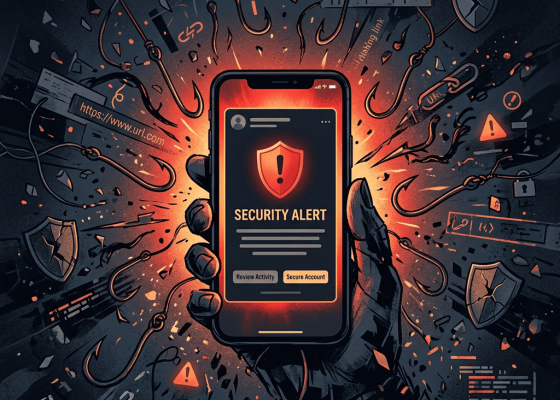
Have you ever wondered whether someone can access an Instagram account without knowing its password? Maybe you’ve forgotten your own
Have you ever received a message from a stranger who somehow knew your phone number? Or has someone threatened to
Your Snapchat account suddenly logs you out. Your password no longer works, your friends receive strange messages from your profile,
Imagine opening Facebook and discovering that your password no longer works. Your profile picture has changed, friends are receiving strange
Your Roblox account suddenly stops working. Your password no longer works, your email address may have changed, or you discover

Build a Network You Can Attack, Monitor, Break and Secure — Without Risking Your Main Devices Your cybersecurity lab is
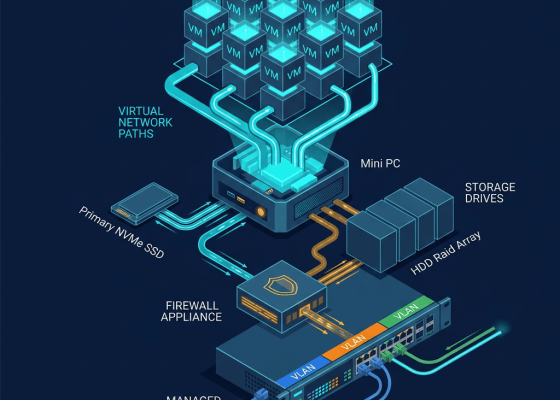
Build a Cybersecurity Lab Without Buying a Huge Server You don’t need a giant rack server to build a serious
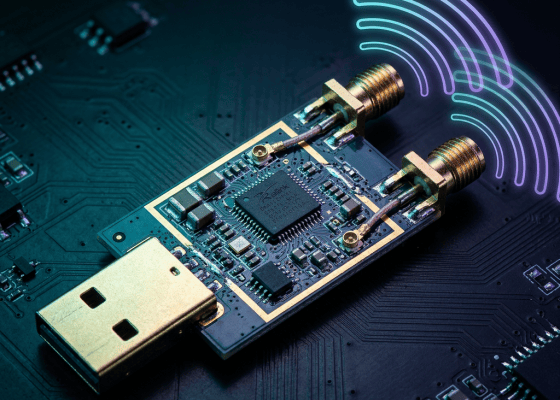
You can install Kali Linux on almost anything. A laptop. A desktop. A Raspberry Pi. A virtual machine. Even an

You don’t always need a powerful laptop to build a cybersecurity lab. Sometimes you need something else: A server that
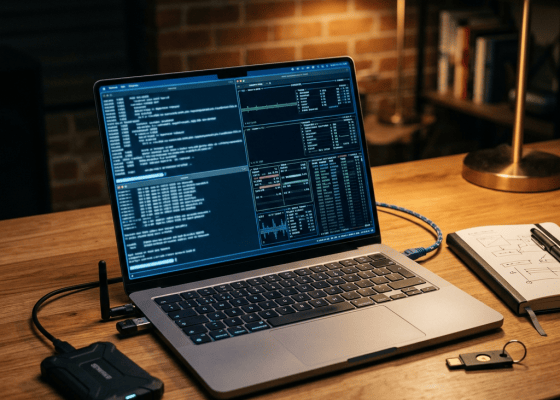
If you’re serious about cybersecurity, your laptop isn’t just a laptop. It’s your: Kali Linux workstation Burp Suite machine Virtualization

If you work in cybersecurity, ethical hacking, bug bounty hunting, OSINT, penetration testing, or security research, your internet connection is

What if an attacker didn’t need to install a hacking tool? What if Windows already had everything they needed? No

qPowerShell is one of the most powerful tools built into Windows. It can: Manage files Query Windows Automate administration Control

Your Windows computer is running things you never opened. You don’t see them in the taskbar. You didn’t click them.

Your Windows computer can run programs without you opening them. No double-click. No visible application window. No reminder. No obvious

Your Windows PC is constantly running dozens — sometimes hundreds — of processes. One program needs to talk to another.
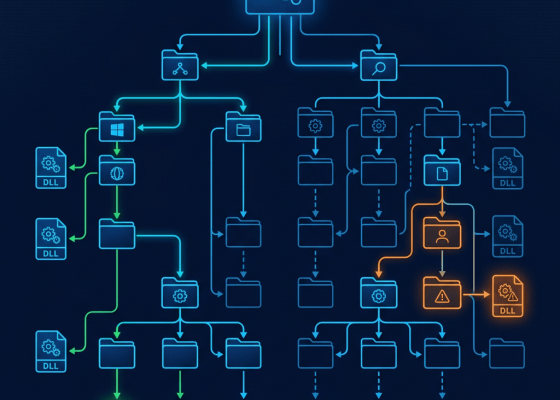
You click an application. It launches normally. You see the familiar interface. But behind the scenes, Windows may be searching
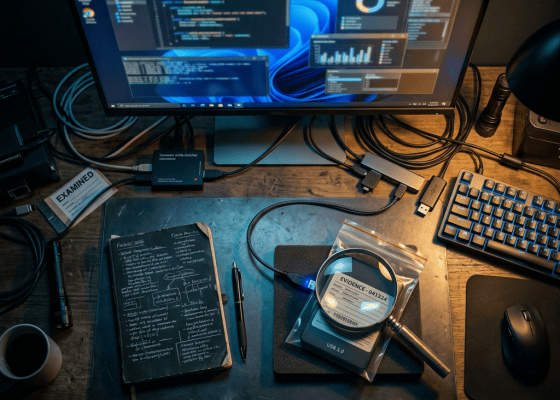
What if I told you that a file can contain more data than Windows Explorer shows you? You create: Windows

A website asks for your name. You enter: The server generates: Nothing unusual. But what happens if the application doesn’t
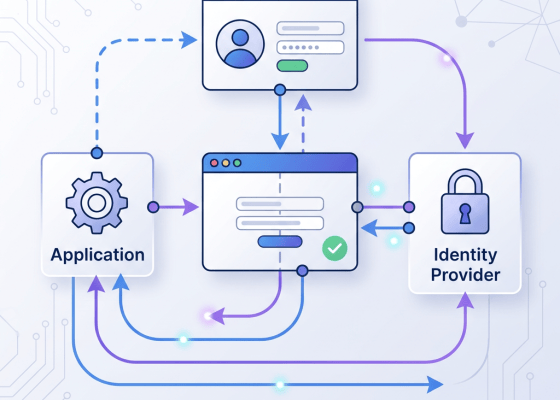
You click: “Login with Google.” You authenticate. Google asks whether you want to continue. You approve. Then you’re redirected back
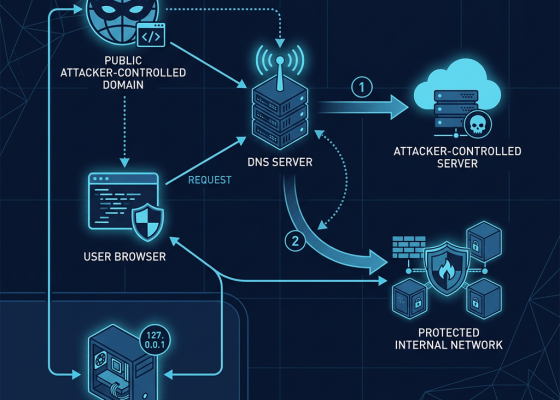
You visit a website. Your browser loads it normally. You click a button. The page makes a request to what

A company launches a new website. Six months later, the project is abandoned. The developers delete the application. The marketing
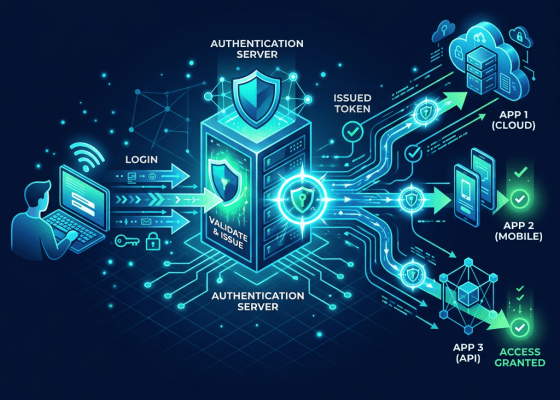
You log into a website. The server gives your browser a token. Your browser sends that token with future requests.

You send one HTTP request. The front-end server sees one request. The back-end server sees two. And suddenly, an attacker
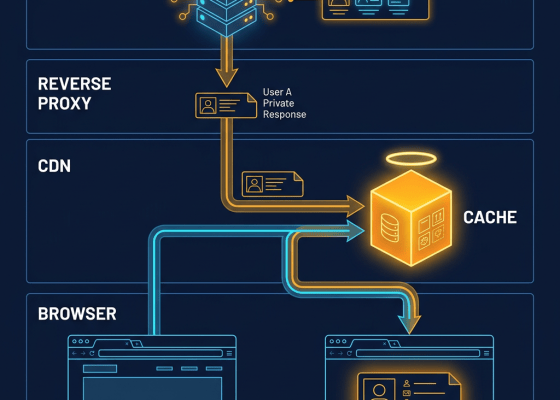
You log into a website. You open your profile. You see your email address, phone number, billing information, private messages,
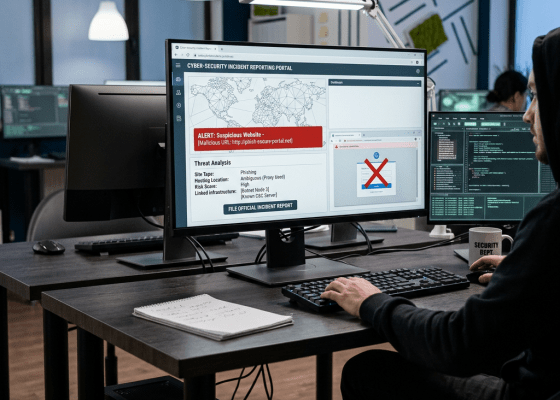
You find a suspicious website. Maybe it is pretending to be a bank. Maybe it is copying a Microsoft, Google,
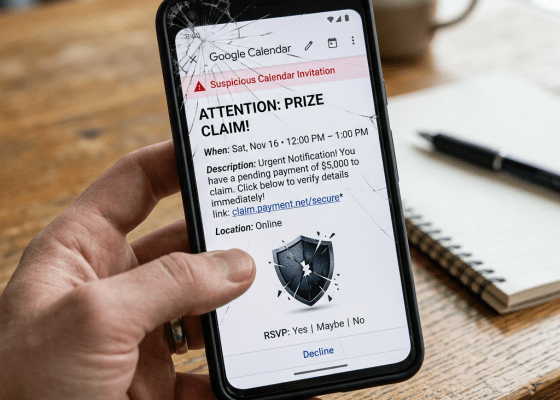
You probably don’t think of your calendar as a cybersecurity tool. You think of it as a place for: Meetings

Introduction Most people believe privacy is something only hackers worry about. It isn’t. Privacy is about control. Control over: Who
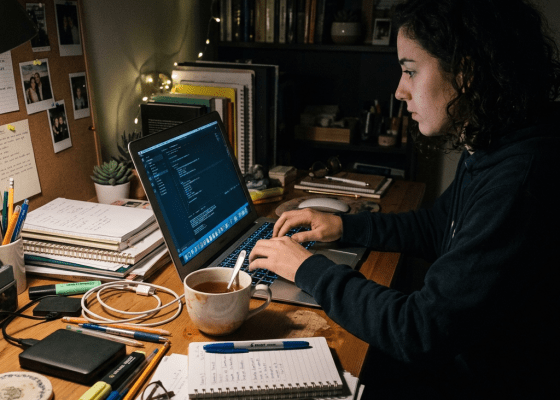
It Started With One Google Search… One evening I asked myself a simple question. “If a complete stranger Googled me

You Pressed Delete… And instantly felt relieved. The photo disappeared. The message vanished. The email was gone. The file left
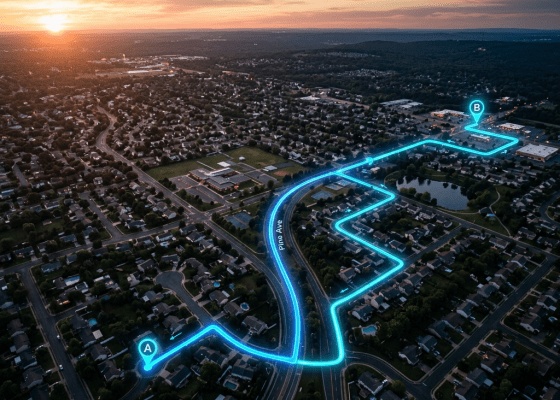
It’s Just a Watch… Or is it? Most people buy a smartwatch to: Count steps. Read notifications. Track workouts. Pay

It’s Just a TV… Or is it? You bought it to watch movies. Netflix. YouTube. Disney+. Prime Video. Football. News.

Think nobody can learn much from your email address? Think again. Discover how your digital footprint is built from public

You finish writing an important document. A resume. A business proposal. A legal contract. A research paper. An invoice. A

You take a selfie. Or maybe a photo of your new car. Your vacation. Your pet. Your lunch. Your child
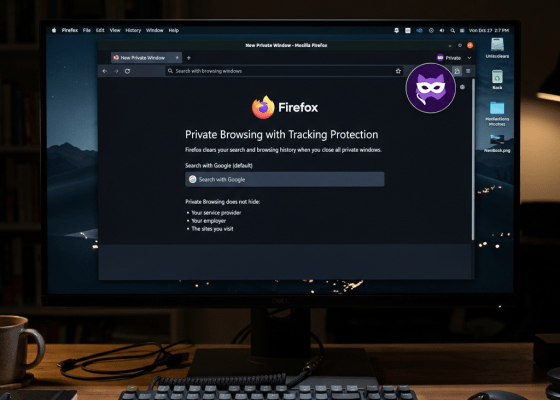
You open Chrome. Click the three dots. Select: New Incognito Window The screen turns dark. You see the Incognito icon.

You send a WhatsApp message. A few seconds later, you regret it. You tap: Delete → Delete for Everyone. The

Your phone is taken. It’s locked. You haven’t given anyone your PIN. So everything inside must be safe, right? Not

Think you have nothing to hide? Open your Google account for the next five minutes. Not Gmail. Your entire Google
