 Posted by
Have you ever wondered whether someone can access an Instagram account without knowing its password?
Maybe you’ve forgotten your own password. Maybe your account was hacked. Or perhaps you’ve seen YouTube videos and websites claiming they can hack any Instagram account in seconds.
Search for “Instagram hack without password” and you’ll find hundreds of supposed solutions.
Some promise instant access. Others ask for a username, offer a downloadable hacking tool, or demand payment before showing fake results.
But what’s actually possible?
You cannot legitimately access someone else’s Instagram account simply by knowing their username. However, accounts can be compromised through phishing, stolen sessions, weak recovery processes, and other security failures.
In this guide, we’ll explain how these attacks work, how to recognize fake hacking tools, and what to do if you need to recover or protect an Instagram account.
1. Can You Really Hack Instagram Without a Password?
The short answer is that account compromise is possible, but the claims made by many online hacking websites are misleading.
A password isn’t the only way an account can be accessed. Depending on the circumstances, an attacker might exploit a stolen login session, trick someone into approving an authentication request, compromise their email account, or abuse an account-recovery process.
That doesn’t mean there’s a universal trick that works against any Instagram account.
Modern account security can include:
- Multifactor authentication.
- Login alerts and unfamiliar-device checks.
- Account recovery procedures.
- Suspicious-login detection.
- Session and device management.
These protections make unauthorized access more difficult, although no security system is perfect.
2. How Instagram Accounts Actually Get Compromised
Understanding the common attack methods is more useful than downloading a random hacking application.
Method 1: Phishing Pages
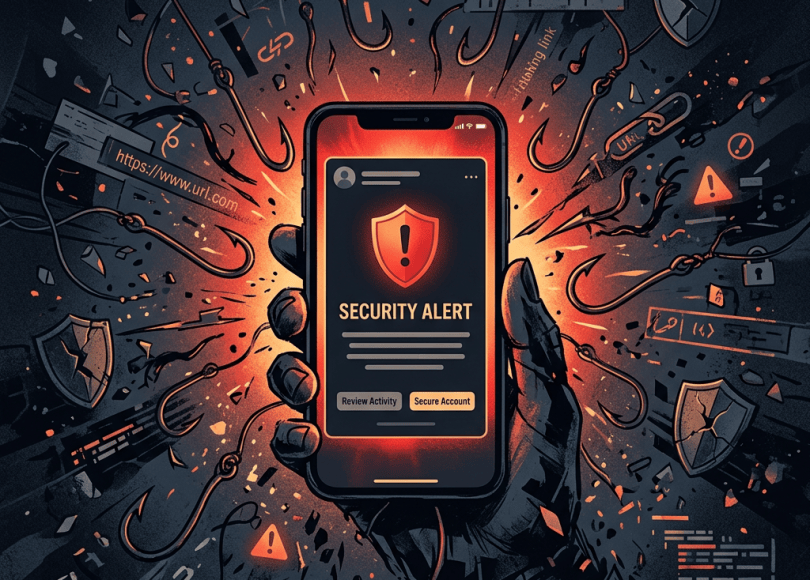
Phishing is one of the most familiar ways criminals steal social media credentials.
An attacker creates a fraudulent page that resembles an Instagram login screen and sends the link through a direct message, email, or text.
The message might claim:
- Your account will be suspended.
- You have violated Instagram’s policies.
- Someone has reported your profile.
- You must verify your account to receive a badge.
- A copyright complaint requires immediate action.
The victim enters their credentials on the fake website, potentially handing them directly to the attacker.
How to stay safe: Open Instagram directly through its official application or by typing the address yourself. Don’t use login links from unexpected messages.
Method 2: Password Reuse
Imagine using the same password for Instagram, an online forum, and a shopping website.
If another website suffers a data breach, criminals may try the exposed username and password combination on other services.
This technique is known as credential stuffing.
The attacker doesn’t necessarily need to discover your password from scratch. They may already have obtained it from another compromised service.
How to stay safe: Use a unique password for every account and a reputable password manager to keep track of them.
Method 3: Compromised Email Accounts
Your email account is often central to recovering your social media accounts.
If someone gains access to your email, they may be able to interfere with password resets or security notifications.
This is why securing Instagram alone isn’t always enough.
Protect the email account associated with your Instagram profile by using a unique password, multifactor authentication, and updated recovery information.
Method 4: Stolen Login Sessions
Websites and applications use sessions to remember that you’ve signed in.
If a criminal obtains a valid session token, they may be able to misuse that session without knowing the account’s original password.
Session theft can occur through malware, compromised devices, or other security failures.
This is one reason you should avoid installing suspicious browser extensions, running unknown scripts, or downloading supposed account-hacking software.
Method 5: Social Engineering
Social engineering involves manipulating someone into performing an action that benefits the attacker.
For example, a criminal might impersonate platform support, a friend, or a marketing agency to persuade a victim to disclose sensitive information.
The attacker may rely on urgency, fear, or the promise of a reward.
Be suspicious of anyone asking for your password, authentication code, backup code, or recovery link.
3. Are Instagram Hacking Websites Real?
Many websites advertise services such as:
- Hack Instagram by username.
- Recover any account instantly.
- Access private messages remotely.
- Get an Instagram password for free.
- Hack Instagram without verification.
Treat these claims with considerable skepticism.
Common warning signs include fake progress bars, fabricated success messages, requests for payment before revealing results, and repeated demands to complete surveys.
Some sites may also attempt to collect personal information or persuade you to install potentially malicious software.
If a website asks you to enter your own Instagram credentials to hack another account, stop. You may be handing over your account instead.
Never provide your password or verification codes to an unofficial hacking service.
4. What About Instagram Password-Cracking Tools?
You may encounter tools claiming to recover passwords by trying thousands of combinations.
Password guessing is a real concept in cybersecurity, but that doesn’t mean a random application can bypass Instagram’s authentication and security controls.
Online services may impose rate limits, suspicious-login checks, multifactor authentication, and other protections.
Tools advertised as Instagram password crackers may simply be scams, credential collectors, or malware disguised as legitimate software.
If you want to study password security, use a controlled laboratory environment and accounts you own or have explicit permission to test.
5. Can Someone Hack Instagram Using Only a Username?
A username is a public identifier. It is not an authentication credential.
Someone may use a username to find a profile, send messages, or search for publicly available information.
However, knowing a username alone does not normally provide access to:
- Private direct messages.
- The account password.
- Private photographs.
- The account owner’s email inbox.
- The account owner’s device.
Be careful with anyone claiming they can retrieve all private information from a username alone.
They may be exaggerating their capabilities to obtain money or personal information.
6. What If Someone Has Already Hacked Your Instagram?
If you suspect your account has been compromised, focus on recovery rather than trying to hack the attacker back.
Step 1: Use Instagram’s Official Recovery Process
Visit Instagram’s official help resources at:
Follow the instructions for a hacked account. Depending on your situation, you may be asked to verify your identity or confirm information associated with the account.
Step 2: Secure Your Email
If you can still access the email account associated with Instagram, change its password if necessary and enable multifactor authentication.
Check for unfamiliar sessions, forwarding rules, recovery changes, or security alerts.
Step 3: Change Your Instagram Password
If you can still sign in, choose a new, unique password.
Don’t reuse a password that may have been exposed elsewhere.
Step 4: Review Login Activity
Check the account’s login activity or account-center security settings.
Sign out unfamiliar sessions and review any changes you don’t recognize.
Step 5: Enable Two-Factor Authentication
Two-factor authentication adds another layer of protection beyond your password.
An authenticator app or passkey can provide stronger protection against some attacks than relying exclusively on SMS codes.
Step 6: Warn Your Contacts
If someone has been sending messages from your account, notify friends that those messages may be fraudulent.
This can help prevent attackers from using your profile to scam others.
7. How to Protect Your Instagram Account From Hackers
You don’t need expensive security software to improve your account security.
Start with these practical steps:
- Use a long, unique password.
- Enable two-factor authentication.
- Secure your associated email account.
- Never share login or recovery codes.
- Avoid suspicious links sent through direct messages.
- Remove browser extensions you don’t trust.
- Keep your phone, browser, and applications updated.
- Review login activity periodically.
- Be cautious of messages claiming your account will be disabled immediately.
Remember that an account can be targeted even if you haven’t done anything unusual. Receiving a suspicious message does not automatically mean your account has been compromised.
8. Is It Illegal to Hack Someone’s Instagram?
Accessing another person’s account without authorization can violate applicable cybercrime, privacy, and computer-access laws.
In India, the Information Technology Act, 2000, includes provisions addressing certain forms of unauthorized access and related conduct. The specific legal consequences depend on the facts and applicable law.
If you discover a security vulnerability, use an authorized testing environment or an official vulnerability-reporting process rather than accessing somebody else’s account.
Curiosity about cybersecurity is not the problem. Testing against accounts without permission is.
9. Want to Learn Real Instagram Security and Ethical Hacking?
If you’re interested in how social media accounts are attacked, you can study the underlying security concepts without targeting real users.
Useful learning topics include:
- Web authentication and session management.
- Phishing detection and prevention.
- Password security and credential stuffing defenses.
- Multifactor authentication.
- Browser security.
- Digital forensics and account recovery.
- Responsible vulnerability disclosure.
Practice these concepts in legal cybersecurity labs or applications you own.
The goal is to understand how attacks happen so you can identify weaknesses and help prevent them.
Frequently Asked Questions
Can I hack Instagram without knowing the password?
Unauthorized access can sometimes occur through compromised sessions, phishing, or account-recovery abuse. However, there is no universal method that reliably accesses any Instagram account without authentication.
Can someone hack my Instagram with just my username?
A username alone does not normally grant access to an account or its private messages.
Are free Instagram hacking tools safe?
Not necessarily. Some are fake services, credential-stealing pages, or malicious downloads. Avoid tools that request your login details or promise unauthorized access.
Can I recover my own Instagram account without the password?
Yes, recovery may be possible through Instagram’s official account-recovery procedures. The available options depend on whether you can access your registered email, phone number, or other verification methods.
Does two-factor authentication stop every Instagram hack?
No security measure is perfect, but two-factor authentication significantly improves account protection. It should be combined with unique passwords, secure email access, and caution around phishing attempts.
Can someone read my Instagram DMs without logging in?
Someone who obtains access to a valid session or a device where the account is already signed in may be able to view messages. Protect your devices, review active sessions, and never share authentication codes.
Final Thoughts
Searching for “How to hack Instagram without a password?” can lead you into a maze of fake tools, misleading tutorials, and account-stealing scams.
The reality is that account compromise usually involves an identifiable weakness, such as stolen credentials, phishing, compromised sessions, or insecure recovery processes.
If you’re locked out of your own account, use official recovery tools. If you’re learning cybersecurity, focus on authentication, web security, and responsible testing.
Learn how attackers think. Protect what matters. Never risk your own account chasing a fake hacking tool.
Explore more cybersecurity guides and ethical hacking resources on Spyboy Blog.
Discover more from Spyboy blog
Subscribe to get the latest posts sent to your email.
