
 Posted by
 The allure of convenience can mask hidden vulnerabilities.
In our increasingly digital world, smartphones hold a treasure trove of personal information, financial data, and private communications. Securing these devices is paramount. Biometric security, like fingerprint scanning and facial recognition, has become a popular choice for its ease of use. However, beneath the surface of convenience lie significant drawbacks and potential risks that users should be aware of before solely relying on biometrics.
The Illusion of Infallibility
Biometric authentication methods often create a false sense of security. People tend to believe that their fingerprints or facial features are unique and immutable, making them foolproof identifiers. However, the reality is far from this perception.
Vulnerability to Forced Access
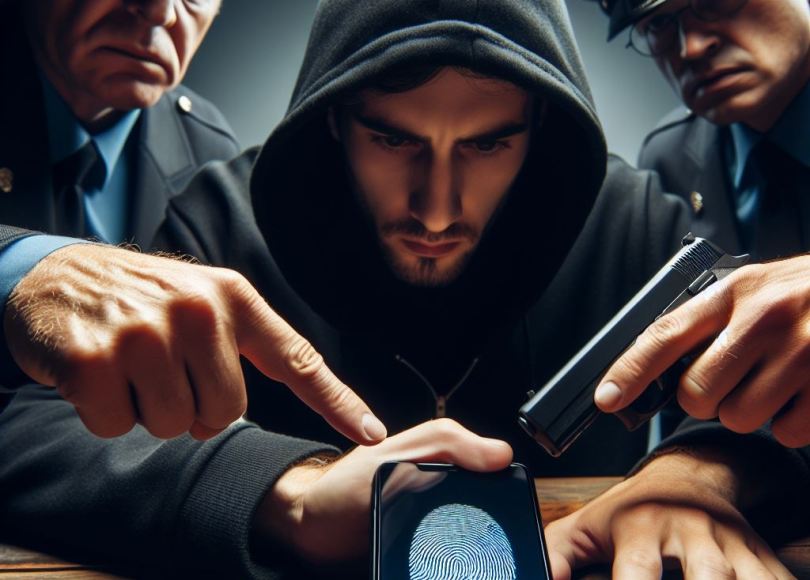
One of the most significant concerns with biometric security is its susceptibility to coercion or forced access. Unlike a PIN or password, which can be kept secret even under duress, your fingerprint or face can be physically compelled for device unlock. In situations where personal safety is at risk or legal authorities demand access to your device, biometric security offers little resistance.
Consider scenarios where individuals, whether they are criminals or law enforcement officials, attempt to gain unauthorized access to your device. While you can refuse to disclose your PIN or password, you cannot prevent someone from physically obtaining your fingerprint or holding your face up to the device for authentication.
Privacy Implications
Biometric data, once compromised, cannot be changed like a password. If your fingerprint or facial recognition data is breached, you can’t simply reset it like you would with a password. This poses significant privacy concerns, as unauthorized access to biometric information can have far-reaching consequences.
Data Breaches and Identity Theft
Just as passwords can be stolen or hacked, biometric data is also vulnerable to theft. If a hacker gains access to the database containing biometric templates, they can potentially impersonate individuals, leading to identity theft or unauthorized access to sensitive information.
Moreover, biometric data breaches have long-lasting consequences. Unlike changing a password after a breach, you cannot change your fingerprint or facial features. Once compromised, your biometric data remains compromised indefinitely, leaving you vulnerable to exploitation.
Practical Limitations
While biometric authentication offers convenience, it comes with practical limitations that can hinder user experience and accessibility.
Environmental Factors
Biometric sensors may fail to recognize fingerprints or facial features under certain conditions, such as low lighting or when hands are wet or dirty. This can lead to frustration and delays in accessing your device, particularly in urgent situations.
Additionally, certain medical conditions or injuries may affect the accuracy of biometric authentication, further exacerbating accessibility issues for individuals with disabilities or specific health conditions.
The Case for Traditional Methods
In light of the inherent risks associated with biometric security, traditional methods such as PINs, passwords, or pattern locks remain viable alternatives.
User Control and Resistance
With a PIN or password, users retain control over access to their devices. Unlike biometric data, which can be involuntarily disclosed or compromised, a PIN or password requires active participation from the user for authentication. In situations where coercion or forced access is a concern, the ability to resist and maintain privacy becomes crucial.
Flexibility and Versatility
PINs, passwords, and pattern locks offer greater flexibility and versatility compared to biometric authentication. Users can easily change their passwords or PINs at any time, providing an additional layer of security in the event of a breach or compromise.
Conclusion
While biometric authentication may offer convenience, its reliance on immutable identifiers and susceptibility to coercion pose significant security and privacy risks. In contrast, traditional methods such as PINs, passwords, and pattern locks provide users with greater control, flexibility, and resistance to unauthorized access. Ultimately, individuals must weigh the trade-offs between convenience and security when choosing the appropriate security measures for their mobile devices.
 Spyboy blog