
 Posted by
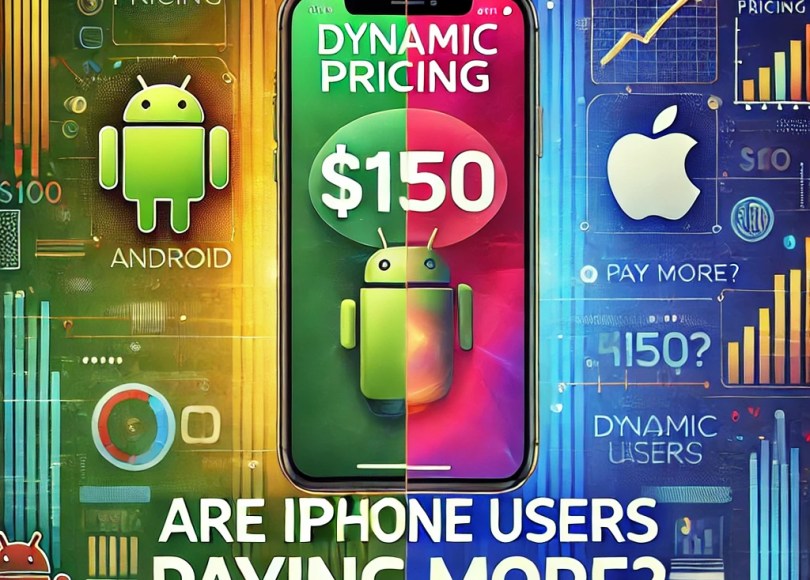
 In today’s digital economy, dynamic pricing has become a key strategy for businesses, allowing them to adjust prices based on factors like demand, browsing habits, and even the type of device a customer uses. While this practice may maximize profits for companies, it raises serious concerns about fairness, especially when reports suggest that iPhone users may be charged more than Android users for the same services or products.
Let’s dive into the mechanics of dynamic pricing, its impact on iPhone users, how this affects Apple’s reputation, and what actions users, Apple, and regulators can take to address this issue.
What Is Dynamic Pricing and Why It Targets iPhone Users?
Dynamic pricing is a strategy where businesses adjust the cost of a product or service in real-time based on market conditions and user data. For example, flight prices might surge during peak seasons, or a food delivery app might charge more during dinner hours. But what happens when the price changes are based on the device you’re using?
Why iPhone Users Are Targeted
- Perceived Affluence: iPhones are premium devices, and owning one is often seen as a status symbol. Companies assume iPhone users have a higher disposable income and are more willing to pay.
- User Behavior Analytics: Data collected by companies often shows that iPhone users are less likely to shop around for deals, making them ideal targets for higher prices.
- Ecosystem Lock-In: Many iPhone users are deeply invested in the Apple ecosystem, making them less likely to switch brands over minor pricing discrepancies.
Examples of Device-Based Pricing Discrimination
1. Flight Tickets
Several studies and user experiments have shown that flight booking platforms sometimes display higher prices to iPhone users compared to Android users. For instance:
- A user browsing flights on an iPhone might see a ticket priced $50 higher than the same search conducted on an Android device.
- Travel apps may also tweak prices based on the browsing behavior captured by cookies, leading to higher charges if you’ve repeatedly searched for the same flight.
2. E-Commerce Websites
Platforms like Amazon or Flipkart may display different prices for products depending on the device being used. For instance:
- Premium products may appear more prominently to iPhone users, often at a higher price point.
- Offers and discounts might be less visible on iOS devices.
3. Ride-Share and Food Delivery Services
Reports suggest that apps like Uber, Lyft, and popular food delivery platforms occasionally show slightly inflated prices to iPhone users:
- Surge pricing algorithms might take device type into account.
- Delivery fees could vary subtly depending on whether the user is browsing on an iPhone or an Android.
4. Subscription Services
Some app developers charge higher subscription fees for iPhone users due to Apple’s 30% commission on in-app purchases. For example:
- An app that charges $9.99 per month on Android might cost $11.99 on iOS.
Implications of Dynamic Pricing for iPhone Users
1. Financial Inequity
This pricing model creates a discriminatory ecosystem where individuals are penalized simply for using a specific device. Over time, the extra charges can add up significantly.
2. Loss of Trust
As more users become aware of this practice, it could lead to distrust in brands and platforms engaging in such pricing strategies.
3. Impact on Apple’s Reputation
While Apple is not directly involved in setting these prices, its premium branding and ecosystem may unintentionally contribute to the perception that iPhone users are a “wealthy target.” This could harm its reputation if users feel their choice of device makes them vulnerable to financial exploitation.
What Can Be Done?
For iPhone Users
- Compare Prices Across Devices: Before making a purchase, check prices on both iPhone and Android devices, as well as desktop browsers.
- Use Incognito Mode: Prevent websites from using your browsing history to adjust prices.
- Employ VPNs: Mask your device type and location using VPNs to test if prices change.
- Shop on Desktop: Often, dynamic pricing algorithms are less aggressive on desktop browsers compared to mobile apps.
- Use Privacy-Focused Tools: Apps like DuckDuckGo or Brave can limit tracking and data collection, reducing the likelihood of targeted pricing.
For Apple
- Enhanced Transparency: Apple should educate its users about how third-party platforms might engage in device-based pricing and offer tools to mitigate this.
- Pressure App Developers: Apple could work with developers to ensure fair pricing across devices, possibly by offering reduced App Store fees for apps that maintain price parity.
- Strengthen Privacy Features: Apple can expand its privacy initiatives to include protections against price discrimination by enabling users to mask their device identity during web interactions.
For Governments and Regulators
- Legislate Against Price Discrimination: Governments should enforce regulations that prevent unfair pricing practices based on device type, location, or other non-relevant factors.
- Transparency Mandates: Require companies to disclose when prices are adjusted dynamically and explain the criteria behind such adjustments.
- Audits and Monitoring: Regularly audit major platforms to ensure compliance with fair pricing practices.
Is It Better to Own an Android Phone?
From this perspective, Android devices offer certain advantages:
- More Affordable Options: Android phones cater to all price ranges, reducing the assumption of affluence.
- Open Ecosystem: Android’s flexibility allows users to employ privacy tools like VPNs and ad blockers more easily.
- Potential Savings: Android users may avoid the “Apple tax” and device-based dynamic pricing altogether.
However, switching to Android also comes with trade-offs:
- Privacy and Security: While Android has improved, iOS is still considered more secure for most users.
- Apple Ecosystem: If you’re deeply integrated into the Apple ecosystem, the cost of switching could outweigh potential savings.
Conclusion: Balancing Convenience with Awareness
Dynamic pricing, while a legitimate business strategy, raises ethical questions when it discriminates based on device type. iPhone users, often viewed as premium customers, bear the brunt of these practices, which could erode trust and loyalty over time.
To combat this, users must stay vigilant, compare prices, and use privacy tools to level the playing field. Apple should take proactive measures to protect its users, while governments and regulators must step in to ensure fairness in pricing strategies.
Ultimately, whether you stick with an iPhone or switch to Android depends on your priorities. For those who value privacy and a seamless ecosystem, iPhones remain a strong choice. For budget-conscious users seeking flexibility, Android might be the way to go. Regardless of your device, staying informed is your best defense against unfair pricing practices.
 Spyboy blog
One comment