
 Posted by
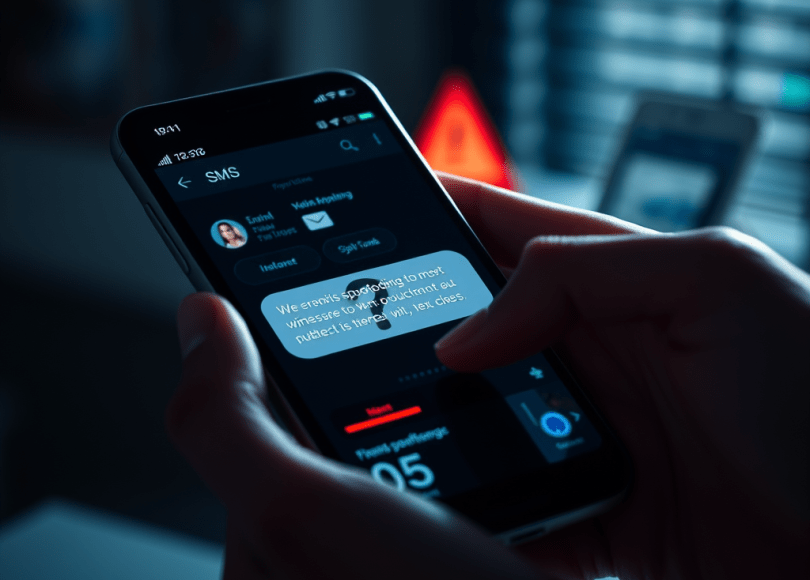
 In today’s connected world, SMS (Short Message Service) is still widely used for personal communication, two-factor authentication (2FA), banking alerts, and marketing. Unfortunately, hackers and cybercriminals also exploit SMS systems to send anonymous or spoofed text messages that appear to come from someone else.
This can lead to scams, phishing (smishing), impersonation, harassment, or fraud.

In this blog post, we’ll cover:
- What anonymous or spoofed SMS is
- Techniques hackers use to send such messages
- Real-world examples of SMS spoofing attacks
- The risks and consequences
- How you can protect yourself and your organization
🔍 What Is Anonymous or Spoofed SMS?
An anonymous SMS is a text message sent without revealing the sender’s real identity. A spoofed SMS goes a step further — it makes the message appear to come from a different number or name (alphanumeric sender ID).
For example:
- A scammer sends a fake SMS that looks like it’s from your bank:
“[Bank Alert] Your account has been compromised. Verify now: http://fakebank.com” - Hackers impersonate delivery services like DHL or FedEx with malicious links.
- Attackers use anonymous SMS to harass or intimidate without revealing their real number.
Since SMS protocols (like SS7 – Signaling System 7) were designed decades ago, they lack strong authentication — making spoofing possible.
🎭 How Hackers Send Anonymous or Spoofed SMS
There are multiple ways attackers achieve this. Here are the most common techniques:
1. SMS Spoofing Gateways
Hackers abuse SMS gateways (platforms that let companies send bulk SMS for marketing or alerts). Some shady services or compromised gateways allow attackers to:
- Replace the sender ID with any number or name
- Send SMS that appear to come from legitimate organizations
Legitimate businesses use this for branding (“Uber”, “Amazon”, “BankXYZ”), but criminals exploit it for phishing (smishing) attacks.
2. VoIP Services and Online SMS Tools
Online VoIP services let users send text messages through the internet. Attackers abuse these to:
- Mask their real number
- Generate temporary/disposable numbers
- Send texts anonymously across borders
Some underground websites openly advertise “Send anonymous SMS worldwide” as a service.
3. SS7 Exploits (Signaling System 7)
SS7 is the telecom protocol that routes SMS and calls globally. It was never designed with strong security, so attackers with access to telecom networks can:
- Intercept messages
- Redirect SMS
- Spoof sender information
This is a sophisticated attack usually carried out by state actors or advanced cybercriminals, not everyday hackers.
4. SIM Box & GSM Modems
A SIM box (or GSM modem) can hold multiple SIM cards and send bulk SMS messages. Criminals use them to:
- Spam thousands of numbers with phishing texts
- Rotate SIMs to avoid detection
- Appear as if messages are coming from different carriers
5. Compromised/Cloned Phones
If attackers gain access to someone’s phone or SIM card (via SIM swapping, malware, or cloning), they can:
- Send messages that look like they came from the victim
- Impersonate the victim in fraud or harassment cases
6. Disposable/Temporary Numbers
Hackers also use burner phones or temporary numbers to send anonymous texts. These numbers are discarded after use, making attribution difficult.
⚠️ Real-World Examples of Anonymous SMS Attacks
- Banking Phishing (Smishing):
Victims receive SMS messages claiming to be from their bank with a fake login link. - Delivery Scams:
Fake texts impersonating FedEx, UPS, or DHL with malware links. - Political Disinformation:
Mass anonymous texts spreading propaganda during elections. - SIM Swap Fraud:
Attackers use spoofed SMS to trick telecom providers and gain control of victim accounts.
🔒 How to Protect Yourself from Anonymous SMS
While you can’t stop attackers from sending spoofed messages, you can protect yourself from falling victim.
✅ 1. Verify the Sender
- Don’t trust the display name or number — they can be faked.
- Contact the organization directly via official numbers/websites.
✅ 2. Avoid Clicking Links in SMS
Most spoofed texts include malicious links. Always:
- Type the URL manually in your browser
- Use official apps instead of SMS links
✅ 3. Use Multi-Factor Authentication Apps Instead of SMS
SMS-based 2FA is vulnerable to spoofing and SIM-swapping. Instead, use:
- Google Authenticator
- Authy
- Microsoft Authenticator
- Hardware tokens (YubiKey)
✅ 4. Report Suspicious Messages
Forward suspicious SMS to your carrier’s spam-reporting number (e.g., 7726 in the US).
✅ 5. For Organizations: Implement SMS Firewalls
Mobile carriers can deploy SMS firewalls to detect spoofing attempts, filter malicious traffic, and block unauthorized sender IDs.
✅ 6. Use Security Awareness Training
Organizations should train staff to recognize smishing attempts — just like email phishing training.
📝 Final Thoughts
Hackers and cybercriminals have found multiple ways to send anonymous or spoofed SMS messages — from abusing SMS gateways to exploiting telecom weaknesses like SS7. These attacks are often used in phishing scams, fraud, and harassment.
The key takeaway:
- Don’t blindly trust SMS messages, even if they appear to come from trusted senders.
- Always verify, avoid clicking suspicious links, and use stronger authentication methods than SMS.
Anonymous SMS may seem like a clever trick, but with awareness and good security hygiene, you can protect yourself from falling into the trap.
 Spyboy blog