

 Posted by
 Breaking into cybersecurity is hard, confusing, and full of bad advice.
You’ll hear things like:
- “Just get CEH and you’ll get hired”
- “You need 5 years of experience for entry-level”
- “Do 10 certs and recruiters will come to you”
None of that is entirely true.
The reality is: cybersecurity hiring is skill-driven, proof-driven, and signal-based. Companies don’t hire resumes. They hire evidence of capability.
This guide is a battle-tested, 2026-ready roadmap to help you land your first cybersecurity job—whether you’re a student, self-learner, career switcher, or hacker at heart.
We’ll cover:
- What cybersecurity roles companies actually hire for
- Which certifications matter (and which don’t)
- Internships, apprenticeships, and entry points
- What GitHub projects you must have
- Whether HTB / TryHackMe / CTF ranks matter
- If CVEs & bug bounties are required
- Where to apply and how to reach recruiters
- A realistic “90–180 day plan” to maximize your chances
No sugarcoating. No fake guarantees. Just how hiring really works.
Why Cybersecurity Is Still One of the Best Careers in 2026
According to industry reports, there are millions of unfilled cybersecurity roles globally, yet beginners struggle to get hired.
Why?
Because companies need job-ready security practitioners, not theory collectors.
Cybersecurity pays well because:
- Breaches cost companies millions
- Regulation pressure is increasing
- AI is creating new attack surfaces
- Security cannot be fully automated
But entry-level hiring is competitive, not impossible.
Step 1: Understand the Cybersecurity Roles You Can Actually Get First
“Cybersecurity” is not one job.
Entry-Level Cybersecurity Roles Companies Hire For
| Role | What You Actually Do |
|---|---|
| SOC Analyst (Tier 1) | Monitor alerts, investigate incidents |
| Junior Pentester | Test web apps, APIs, internal networks |
| Security Analyst | Risk assessment, vulnerability management |
| GRC Analyst | Compliance, policies, audits |
| Cloud Security Associate | IAM, misconfigs, monitoring |
| Blue Team / IR Intern | Logs, detection, response |
| Security Engineer (Junior) | Automation, tooling, hardening |
💡 Reality check:
Most people start in SOC, security analyst, or junior pentesting roles—not “red team lead.”
Step 2: Certifications Companies Actually Look For (2026 Reality)

Certifications are signals, not guarantees.
Best Beginner Cybersecurity Certifications (Ranked)
🟢 Tier 1: Strong Entry Signals
- CompTIA Security+
- Best baseline for HR filters
- Covers fundamentals employers expect
- Works for SOC, analyst, GRC roles
- Google Cybersecurity Certificate
- Beginner-friendly
- Good for internships & junior roles
🟡 Tier 2: Role-Specific Boosters
- CEH
- Still HR-recognized
- Not enough alone, but useful
- eJPT
- Hands-on pentesting basics
- Great stepping stone
🔴 Tier 3: Advanced (Not Required for First Job)
- OSCP
- CISSP
💡 Truth:
One solid cert + real projects beats 5 paper certs.
Step 3: Internships – The Fastest Way In (If You Use Them Correctly)
Where to Find Cybersecurity Internships
- LinkedIn Jobs
- AngelList / Wellfound
- Company career pages
- University portals
- Startups (often overlooked)
What Actually Gets You Selected
Not GPA. Not certificates.
Internship hiring managers look for:
- Curiosity
- Hands-on exposure
- Ability to explain security issues clearly
How to Stand Out for Internships
- Write mini security reports
- Show GitHub activity
- Share lab writeups
- Mention HTB / THM profiles
Step 4: GitHub Projects You MUST Have (Non-Negotiable)
Your GitHub is your proof-of-work portfolio.
Minimum GitHub Projects for Entry-Level Cybersecurity
🔹 Project 1: Vulnerability Scanner
- Python-based web scanner
- Checks for:
- XSS
- SQLi
- Open redirects
- Shows automation skills
🔹 Project 2: Lab Writeups
- HTB / THM walkthroughs
- Explain:
- Recon
- Exploitation
- Mitigation
🔹 Project 3: Security Tool or Script
Examples:
- Log analyzer
- Password strength checker
- Rate-limit tester
- JWT analyzer
🔹 Project 4: Security Blog (Optional but Powerful)
- Host on GitHub Pages
- Write about:
- Bugs you found
- Labs you solved
- Tools you built
💡 Hiring managers read your code more than your resume.
Step 5: Do HTB / TryHackMe / CTF Ranks Matter?

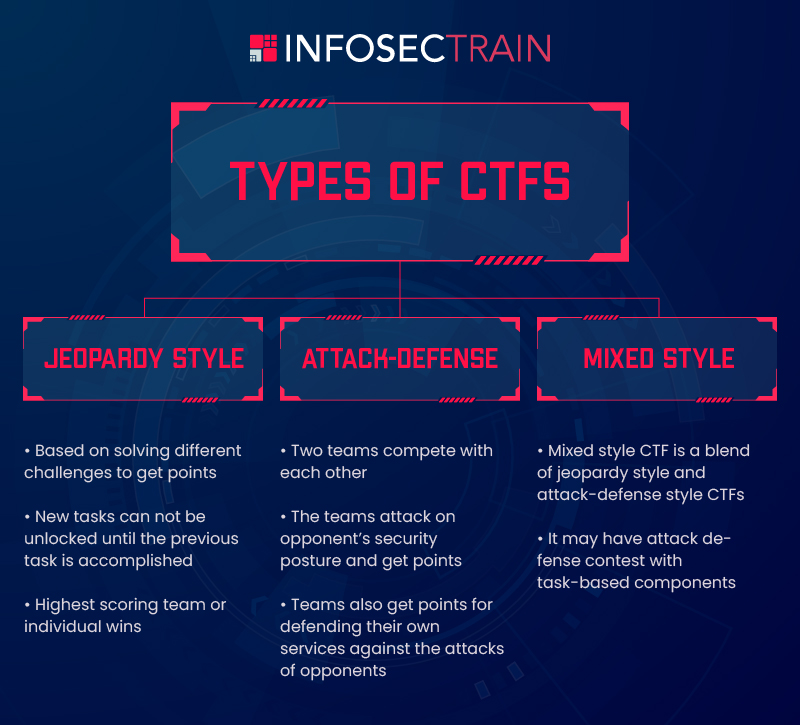
Short answer: Yes—but not how you think.
How Recruiters View CTF Platforms
| Platform | Value |
|---|---|
| Hack The Box | Strong technical signal |
| TryHackMe | Learning consistency |
| CTFtime | Competitive mindset |
What Matters More Than Rank
- Writeups
- Skills demonstrated
- Concepts explained
A medium HTB rank with excellent explanations beats a high rank with zero documentation.
Step 6: CVEs & Bug Bounties – Do You Need Them?
Bug Bounties
You do NOT need bug bounty success to get hired.
But if you have:
- Valid reports
- Responsible disclosure
- Repro steps
…it’s a huge advantage.
CVEs
CVEs are rare for beginners.
Hiring managers don’t expect CVEs—but they respect:
- Coordinated disclosure
- Security research mindset
- Proof you understand real-world impact
💡 One real vulnerability > 100 labs
Step 7: Where to Apply & How to Reach Recruiters
Best Places to Apply for Cybersecurity Jobs
- LinkedIn (optimized profile)
- Company career portals
- Startup job boards
- Referrals (most powerful)
How to Reach Recruiters (That Actually Works)
Bad message:
“Hi sir, I want cybersecurity job”
Good message:
“Hi [Name], I’m a junior security analyst with hands-on experience in web pentesting, SOC workflows, and security automation. I recently built [project]. Would love to connect.”
Step 8: Resume That Passes Cybersecurity Hiring Filters
What Your Resume MUST Include
- Technical skills (tools, languages)
- Projects (with GitHub links)
- Labs & platforms
- Certifications (if any)
- Clear role alignment
What to REMOVE
- Buzzwords without proof
- Generic objectives
- Irrelevant coursework
Step 9: The 100% Honest Answer – Is a “Guaranteed Cybersecurity Job” Possible?
No one can guarantee a job.
But you can guarantee employability.
If You Do This, You Become Hard to Ignore:
- 1–2 relevant certs
- 4–6 real GitHub projects
- HTB / THM activity
- Internship or volunteer work
- Consistent learning
- Networking
Cybersecurity hiring rewards builders, breakers, and explainers.
90–180 Day Cybersecurity Job Roadmap
Month 1–2
- Learn networking, Linux, web basics
- Start TryHackMe paths
- Build first project
Month 3–4
- Security+ or eJPT
- Start HTB labs
- Publish GitHub writeups
Month 5–6
- Apply for internships
- Reach out to recruiters
- Improve projects
- Mock interviews
Common Mistakes That Kill Cybersecurity Careers Early
- Chasing certs only
- Ignoring fundamentals
- No documentation
- No networking
- Waiting to be “ready”
You don’t get ready then apply.
You apply while getting ready.
Final Advice (From Real Hiring Experience)
Cybersecurity isn’t about knowing everything.
It’s about:
- Thinking like an attacker
- Communicating like a consultant
- Learning like an engineer
If you can build, break, explain, and improve, you will get hired.
Call to Action
If you’re serious about cybersecurity:
- Start your GitHub today
- Pick one role and go deep
- Stop waiting for permission
Your first job isn’t the finish line—it’s the entry point.
FAQ:
❓ Is cybersecurity hard to get into?
Yes, but structured learning + hands-on proof makes it achievable.
❓ Do I need a degree for cybersecurity?
No. Skills, projects, and experience matter more.
❓ Which certification is best for beginners?
CompTIA Security+ or eJPT.
❓ Do companies care about HTB rank?
They care more about what you learned and how you explain it.
❓ Can I get a cybersecurity job without experience?
Yes—through internships, labs, projects, and volunteering.
❓ How long does it take to land the first job?
Typically 6–12 months with consistent effort.
 Spyboy blog