How Much Is Your Identity Worth on the Dark Web? The Answer Might Surprise You
Most people assume their personal information is priceless. After all, your identity includes: Your name Your email Your phone number
Think Like an Attacker. Secure Like a Pro. Where Curiosity Meets Cybersecurity. Ethical hacking, OSINT, bug bounty, and cybersecurity guides built on real-world experience.
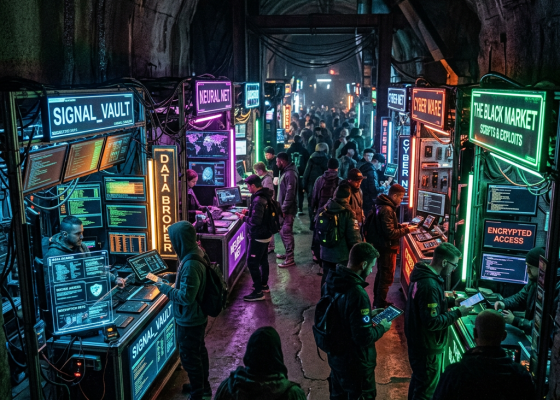
Most people assume their personal information is priceless. After all, your identity includes: Your name Your email Your phone number

When most people hear about a scam victim, they think: “I would never fall for that.” It’s a comforting thought.
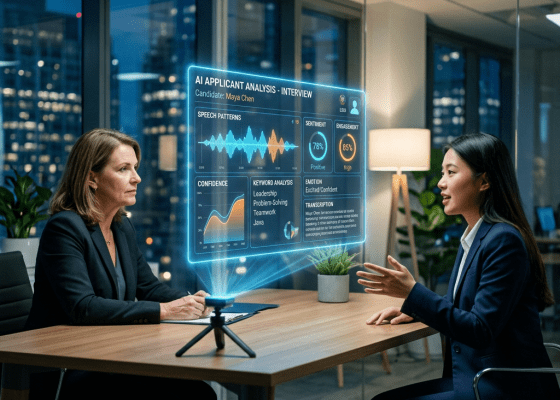
Imagine sitting in a job interview. You answer questions. You smile. You explain your experience. You discuss your strengths and

Most people assume the internet will always be there. Every day we rely on it for: Banking Shopping Messaging Navigation
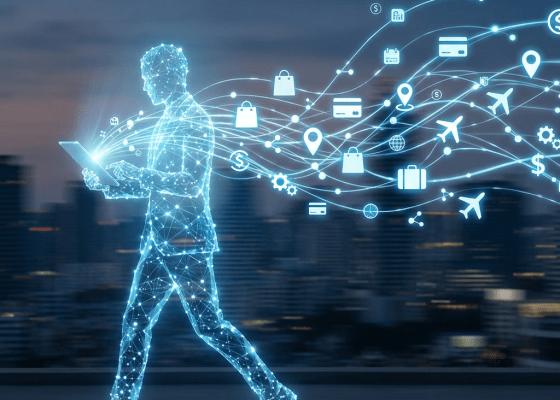
You have never met your digital clone. You’ve never seen it. You can’t log into it. You can’t delete it.
A few years ago, seeing was believing. If there was a video of someone saying something… Most people assumed it
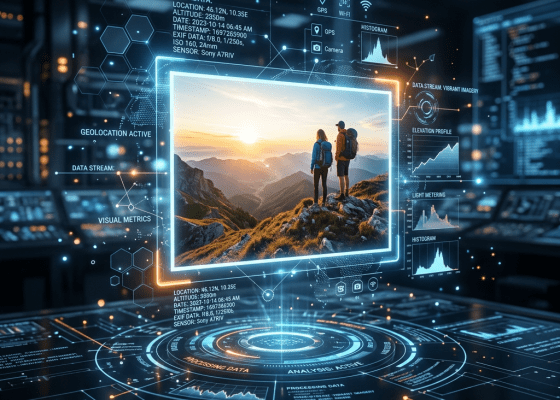
You take a photo. Maybe it’s: Your new car Your vacation Your pet Your house Your lunch A beautiful sunset

Think about the last thing you searched for. Now think about the last 100 things. The last 1,000. The last
When most people imagine a cyberattack, they picture: A hacker writing code A firewall being bypassed Malware infecting a computer
Everyone worries about the email account they use today. But almost nobody worries about: The one they stopped using 5
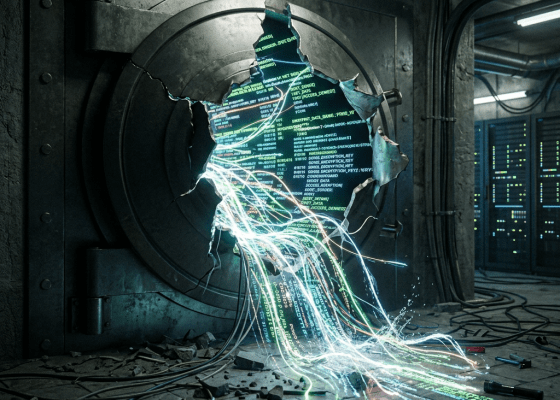
When people imagine cyberattacks, they picture a hacker breaking into their account. Something like: Cracking passwords Bypassing security Writing malware
When people think about privacy, they imagine hackers breaking into systems. They picture: Malware Spyware Surveillance tools Sophisticated cyberattacks But
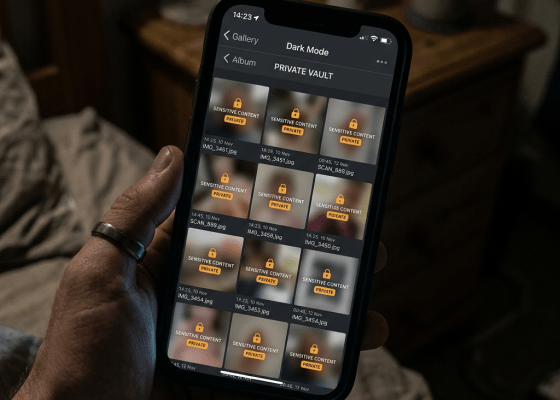
Screenshots feel harmless. You take them all the time: Bank transactions OTP codes Flight tickets Chats Password reset links Crypto

You’re excited. Vacation booked. Airport check-in complete. You snap a quick photo of your boarding pass and post it online:
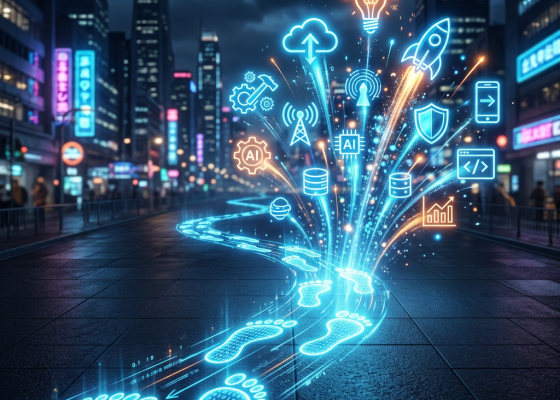
Every click.Every search.Every app install.Every “Sign in with Google.” Tiny actions feel harmless. But over time? They create something called

A few years ago, scam calls were easy to spot. You’d hear: Strange accents Robotic voices Awkward scripts Obvious red
Most people connect to WiFi without thinking twice. Home WiFi.Friend’s hotspot.Office network.College WiFi.Café internet. You connect… and assume: “It’s just
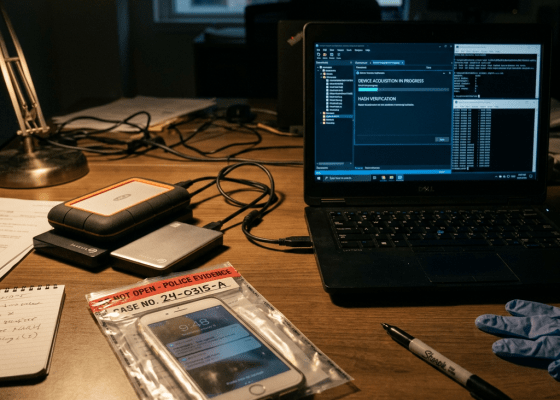
Most people think deleting something means: Gone forever. Delete photos? Gone.Clear browser history? Gone.Empty recycle bin? Gone. Not exactly. When
Most people think privacy works like this: Change DNS → Use private browser → Problem solved. Unfortunately… That’s not how

People panic when social media gets hacked. Instagram?Panic. Facebook?Stress. Discord?Immediate damage control. But most people completely underestimate one account: Your

A few years ago, doorbells did one thing: Someone pressed the button. It rang. That was it. Today? Smart doorbells
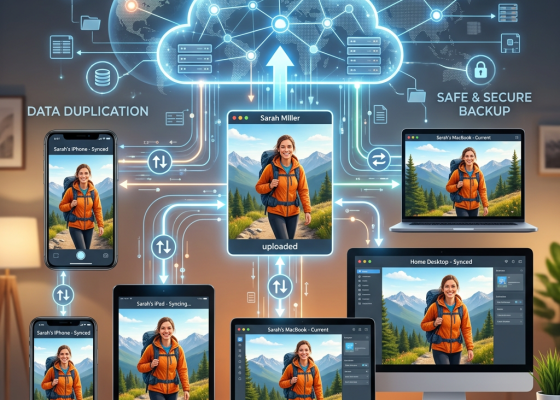
You delete a photo. Then another. Then maybe hundreds. You empty: 🗑 Recently Deleted And think: “Done. Gone forever.” But
Most people think deleting a file works like this: You click: 🗑 Delete And it disappears forever. Gone. Destroyed. Finished.

Most people see charging cables as boring accessories. You use them for: Charging phones Connecting devices Transferring files Powering gadgets

Most people protect: Phones Laptops Social media accounts Passwords But they completely ignore one device connected to everything: The WiFi

People install free VPNs for one reason: Privacy. They want to: Hide browsing activity Stay anonymous Bypass restrictions Protect themselves
Most people worry about webcams. That little camera on your: Laptop Phone Smart TV Tablet People cover it with: Tape

Most people never think twice about old phones. They end up: In a drawer On a shelf Given to relatives

You’ve probably done this hundreds of times. You visit a website. Instead of creating an account manually, you see: Continue
A few years ago, fake videos looked obvious. Strange faces.Robotic voices.Weird movements. Easy to spot. Not anymore. Today, AI can

Browser extensions feel harmless. You install one to: Block ads Download videos Track coupons Improve productivity Customize your browser Simple.

Smart TVs are supposed to make life easier. You sit down.Open Netflix.Watch YouTube.Stream movies.Use voice commands. Simple. But what most

Free WiFi feels harmless. You walk into: A café Airport Hotel Railway station Shopping mall You connect. No password.No setup.Instant

Most people think websites only know: Their name Email address Maybe location But the reality is far more unsettling. Your

QR codes are everywhere now. Restaurants.Parking meters.WhatsApp Web.UPI payments.Delivery apps.Railway stations.Online forms. Most people scan them without thinking twice. And

Your Instagram account is more valuable than you think. It’s not just photos anymore. For many people, Instagram now contains:
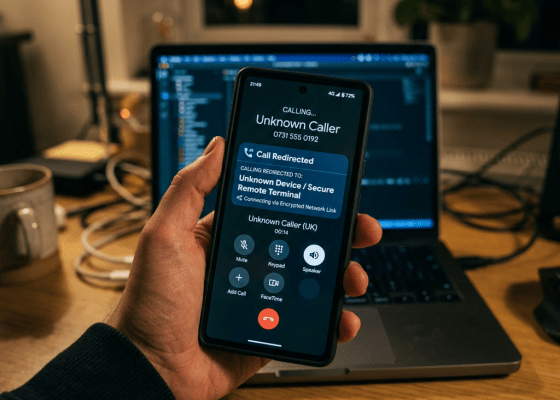
We’ve all done it. Someone says, “My phone’s dead—can I make a quick call?”It feels harmless, even helpful. But here’s
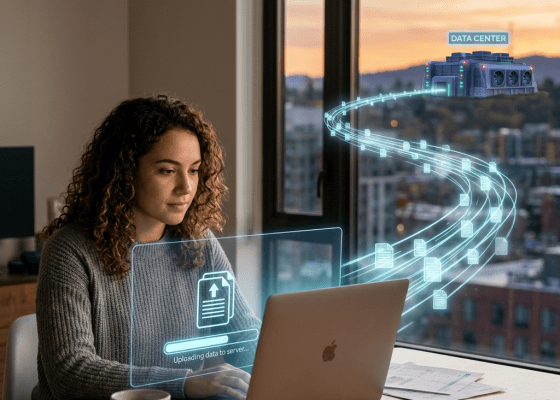
You’ve probably seen messages like: “Don’t open that image — hackers can see your IP and track your location.” Sounds
Short answer: Yes — but not magically. Attackers can only access your webcam/microphone if they’ve already: Installed malware on your

Your phone is your bank, identity, private life, and work hub—all in one device.Yet most people secure it with habits
Most people think Instagram hacking is obvious.A shady message. A weird login alert. A suspicious app. But in reality? The

Smartphones are no longer just communication devices—they are your bank, identity, camera, private vault, and digital life combined. Which is
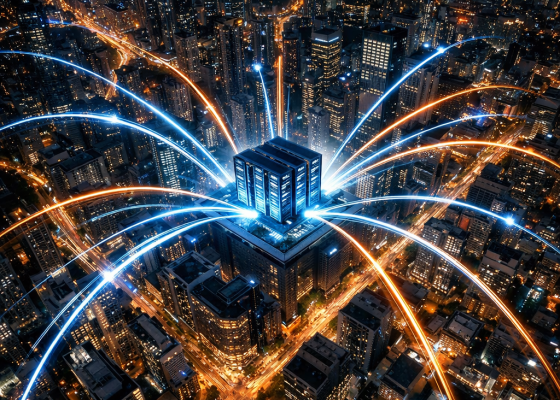
You didn’t type anything. You didn’t log in. You just clicked… and your browser already revealed a full profile. Most
If someone wanted to learn about you using only public data… what would they find? Running OSINT on yourself is
