
 Posted by
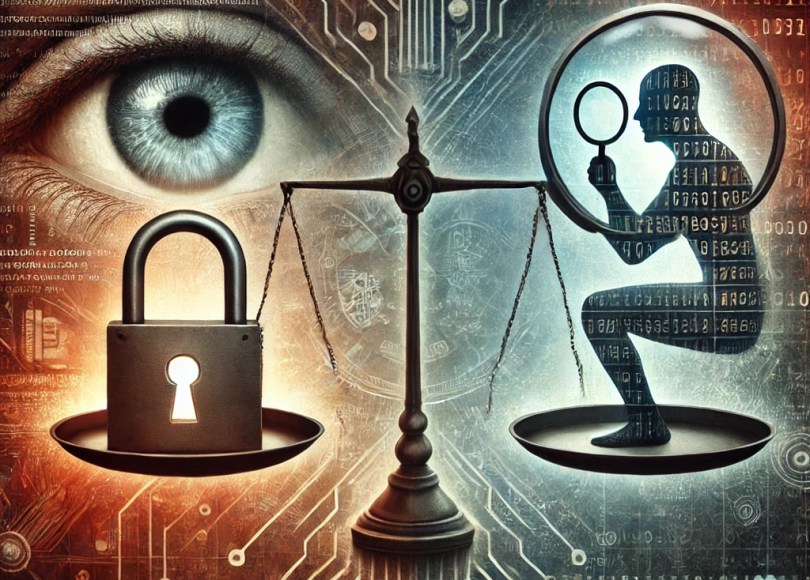
 In today’s digital age, we often hear a popular refrain: “If you have nothing to hide, you have nothing to fear.” This seemingly harmless statement suggests that those who don’t engage in illicit activities should not worry about surveillance or loss of privacy. However, this argument is deeply flawed and dangerous, as it dismisses the core principles of privacy and its vital role in safeguarding freedom, autonomy, and democracy.
Let’s unpack why this argument is problematic, explore the importance of privacy even if you believe you have nothing to hide, and address why privacy isn’t just for criminals or those with secrets—it’s for everyone.
Flawed Arguments Against Privacy and Why They’re Wrong
1. “Don’t live in fear. Only paranoid people care about privacy.”
Rebuttal: Caring about privacy isn’t about living in fear; it’s about being cautious and responsible. Just as you lock your doors at night or wear a seatbelt in the car, protecting your privacy is a basic precaution. It’s not paranoia—it’s awareness of the real risks posed by data breaches, identity theft, or misuse of personal information. The idea that you’re “paranoid” for protecting your privacy is just as nonsensical as saying you’re paranoid for locking your house or securing your personal belongings.
2. “Who are you? No one cares about you or your data.”
Rebuttal: While it might seem like you’re insignificant or that no one would target you personally, in reality, your data is valuable. Hackers, corporations, and governments often don’t need to care about you specifically—they care about the data you generate. Every piece of data helps them build profiles for marketing, financial gain, or even mass surveillance. Just because you’re not famous doesn’t mean your privacy doesn’t matter. You might not be targeted individually, but you are part of a collective that provides immense value to those harvesting data.
3. “What will people get by hacking me? I have nothing valuable.”
Rebuttal: Many people believe they don’t have anything worth stealing, but this is a huge misconception. Personal data like your email address, passwords, social security number, or medical information can be incredibly valuable. Hackers use this data for identity theft, fraud, or to sell on the dark web. Even something as simple as your browsing habits can be exploited by advertisers or used to manipulate you in more subtle ways, such as through targeted ads or political campaigns.
4. “I have no money, so there’s nothing to steal.”
Rebuttal: Even if you don’t have a large bank account, your personal data can still be used in harmful ways. Identity thieves might use your information to take out loans, open credit cards in your name, or commit crimes that could impact your credit or personal reputation. Moreover, your personal information could be used in phishing schemes or other fraudulent activities that impact others, even if you aren’t directly affected financially.
5. “I’m an open book. I have nothing to hide.”
Rebuttal: The “I’m an open book” argument is misleading. Even if you are comfortable sharing some aspects of your life publicly, there are always certain details you wouldn’t want exposed. Would you be fine with your medical history being published? What about your private conversations with friends or your financial information? Saying you’re an open book doesn’t mean all parts of your life should be made public. Privacy ensures you control what you share and with whom.
6. “Hackers won’t target me. They go after big companies or wealthy people.”
Rebuttal: Hackers often target individuals because it’s easier and less secure than hacking large corporations. Small, everyday targets are often more vulnerable and less protected than big businesses with sophisticated security measures. Phishing attacks, for instance, rely on tricking individual users into giving up personal information. Additionally, hacking isn’t just about stealing money; hackers may use your email or social media accounts to spread malware or steal sensitive information from others connected to you.
7. “I only share what I’m comfortable with online, so I don’t need to worry about privacy.”
Rebuttal: You may think you’re only sharing things you’re comfortable with, but the reality is that you often share more than you realize. Websites, apps, and services track your activity behind the scenes, collecting data about your location, habits, and interests. This data can be aggregated to create a highly detailed profile about you, far beyond what you intended to share. Even with limited data, companies can make inferences about your political views, health conditions, or relationships, which can be exploited.
8. “Privacy is dead in the digital age, so why bother trying to protect it?”
Rebuttal: It’s true that maintaining complete privacy in today’s digital world is challenging, but that doesn’t mean we should give up. Even though perfect privacy may be impossible, minimizing your data exposure and being aware of how your information is used can still help protect you from data breaches, identity theft, and exploitation. Giving up entirely leaves you more vulnerable, while taking steps to protect your privacy helps mitigate risks.
9. “I’m not doing anything illegal, so I don’t care if the government monitors me.”
Rebuttal: Even if you’re not breaking the law, government surveillance can have far-reaching consequences. Your data could be misused, misinterpreted, or used against you in ways you don’t expect. Governments may not always act in the best interest of citizens, and surveillance can be used to suppress dissent, limit free speech, and control behavior. Additionally, government surveillance disproportionately affects marginalized groups, potentially reinforcing bias and discrimination. Protecting privacy helps ensure that government power remains checked and that individual freedoms aren’t infringed.
10. “It’s too late—my data is already out there.”
Rebuttal: While it may seem like your data has already been compromised in some way, it’s never too late to take control of your privacy. There are many steps you can take to secure your future information, such as using stronger passwords, enabling two-factor authentication, and being cautious about the services you use. You may not be able to undo past exposures, but you can still reduce future risks and protect what remains private.
The Fallacy of “Nothing to Hide, Nothing to Fear”
1. Assumes Perfect Governance
The “nothing to hide” argument assumes that governments, corporations, and authorities will always act justly, without overreach, mistakes, or abuse of power. This is an unrealistic expectation. Even in democratic societies, history shows that power can be misused, laws can be unjust, and surveillance can disproportionately affect marginalized communities. The argument assumes trust in authority figures, but we’ve seen countless examples of governments overstepping their boundaries, such as the Edward Snowden revelations of mass surveillance.
2. Privacy Is About Control, Not Hiding
Privacy is less about hiding things and more about control over your personal information. It is the ability to decide who knows what about you and under what circumstances. Imagine your medical records, financial history, or personal conversations being exposed without your consent. Even if you are law-abiding, the invasion of your private life can have damaging consequences. Your information could be misinterpreted, taken out of context, or used against you in unforeseen ways.
3. Surveillance Chills Free Expression
Living under constant surveillance creates an environment where people self-censor out of fear of being watched. Freedom of speech, thought, and action are stifled when individuals believe they are being monitored. This chilling effect doesn’t just affect those with something to hide; it impacts everyone’s creativity, individuality, and ability to think critically or challenge the status quo. Just as free speech must be protected even if you currently have nothing controversial to say, privacy must be preserved regardless of whether you are hiding something.
4. Everyone Has Something to Hide
The statement “nothing to hide” assumes that everything about a person should be public, yet even the most law-abiding citizens have sensitive information they don’t want to share with the world. Consider your bank account details, medical records, or intimate conversations. Would you be comfortable with your private photos, emails, or browser history exposed? Everyone has parts of their life they prefer to keep private, not because they are illegal, but because they are personal.
Why Privacy Matters
1. Privacy Is a Human Right
Privacy is enshrined in international human rights declarations. The Universal Declaration of Human Rights (Article 12) protects against arbitrary interference with privacy, family, and correspondence. The right to privacy is fundamental because it safeguards individuals from undue interference in their personal lives. This right ensures that people are treated with dignity and respect, allowing them to live free from unjustified scrutiny.
2. Privacy Preserves Autonomy and Freedom
Privacy grants individuals the freedom to make choices without external pressure or influence. When you lose control of your data, your actions, behaviors, and decisions can be influenced by those who have access to your personal information. This erosion of privacy diminishes personal autonomy, limiting the freedom to express yourself, associate with others, or form opinions without fear of being judged or manipulated.
3. Power Imbalance Between Individuals and Authorities
When your privacy is compromised, you are at the mercy of those who have access to your personal data. Whether it’s governments, corporations, or malicious hackers, the imbalance of power is evident. Entities with vast amounts of data can manipulate individuals, control narratives, and even use information to discriminate or exploit. Protecting privacy is a way of ensuring that this imbalance doesn’t strip individuals of their rights and freedoms.
4. Privacy Protects You from Misuse of Data
Even if you’re not committing any crimes, your personal data can be misused in ways you never intended. Data brokers, advertisers, and tech companies collect vast amounts of data to profile users, predict behavior, and target them with ads. This data can fall into the wrong hands, leading to identity theft, financial fraud, or reputational damage. Your privacy is crucial to ensure that your personal information isn’t used in harmful ways.
5. Privacy in the Digital Age
In the modern world, personal data is constantly collected—whether through apps, social media, online shopping, or even fitness trackers. This data creates a detailed digital footprint of your life, which can be stored, shared, and sold without your knowledge or consent. The risk of data breaches, government surveillance, and corporate overreach is higher than ever. In this digital age, safeguarding privacy isn’t just a personal preference—it’s a necessity to protect yourself from manipulation and exploitation.
Rebutting the “Nothing to Hide” Argument
1. Privacy Isn’t Just for the Guilty
Saying you don’t need privacy because you have nothing to hide is like saying you don’t need free speech because you have nothing to say. Just as free speech protects not only those who speak out but also the quiet, privacy protects everyone—not just the guilty. The idea that privacy is only for those with something to hide is reductive and ignores the fact that privacy is a fundamental right that supports many other freedoms.
2. You Can’t Predict the Future
Laws and norms change over time. Something legal and acceptable today may not be so in the future. Data collected now could be used against you in ways you can’t predict. Suppose a regime change occurs, or new laws are passed that criminalize once legal behavior. Your digital history, collected without your consent, could suddenly become incriminating. Protecting privacy is a way of safeguarding against future uncertainties.
3. Privacy Is Necessary for Democracy
Privacy allows for dissent, protest, and activism. Those who speak out against injustices or challenge authority in a world without privacy could be easily tracked, monitored, and silenced. Democracy thrives when citizens can express their opinions, gather information freely, and organize without fear of surveillance or retribution. Privacy is the bedrock of democratic freedom.
Conclusion
The “nothing to hide, nothing to fear” argument is a dangerous oversimplification of the importance of privacy. Privacy is not about concealing wrongdoing—it’s about protecting individual rights, autonomy, and freedom. Everyone has aspects of their lives they wish to keep private, and privacy laws ensure that power remains balanced and that citizens are free from unjustified scrutiny. Privacy is more important than ever in a world where data is increasingly being collected, traded, and analyzed. Even if you believe you have nothing to hide, you still have everything to lose if privacy is eroded.
Privacy matters—not just for you, but for society as a whole.
 Spyboy blog