
 Posted by
 What is Subdomain Takeover?
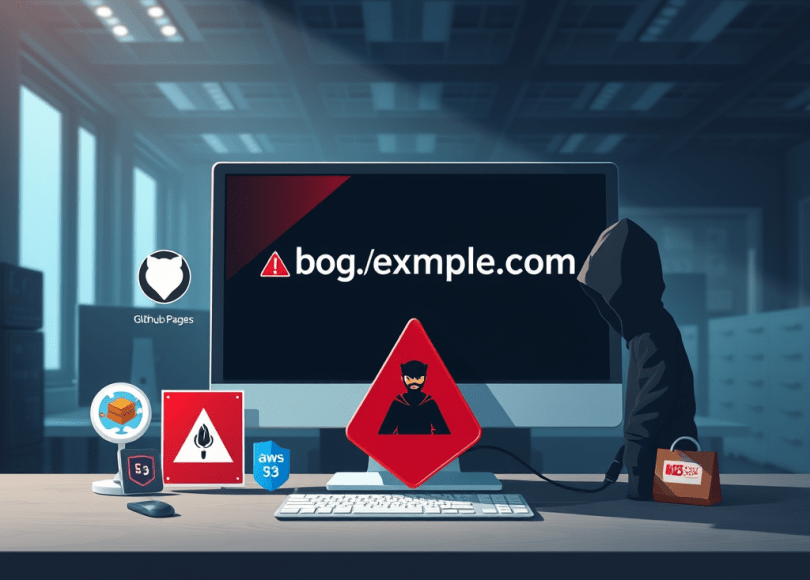
A Subdomain Takeover happens when a subdomain (like blog.example.com) points to an external service (e.g., GitHub Pages, Heroku, AWS S3, etc.) but that external resource is no longer in use, leaving it open for an attacker to claim and serve malicious content.
For example:
blog.example.com → CNAME → username.github.io
If username.github.io doesn’t exist anymore, an attacker can create that GitHub repo, take over the subdomain, and host malicious code under your domain name.

🧨 Real-World Impact
- 🧪 Host phishing pages under a legitimate domain
- 🚨 Bypass security protections (CORS, CSRF, SPF, etc.)
- 🕳 Exploit trust in emails, cookies, and security headers
- 📈 Escalate to stored XSS, RCE, SSRF if used with other flaws
🎯 Step-by-Step Guide to Find Subdomain Takeover
This is the guaranteed method to find takeover opportunities across large scopes (including wildcard scopes like *.example.com).
⚙️ Step 1: Subdomain Enumeration
Start by gathering all subdomains for the target domain.
✅ Tools:
Subfindersubfinder -d example.com -o subdomains.txtAmassamass enum -passive -d example.comAssetfinderassetfinder --subs-only example.comcrt.shor SecurityTrails
🔥 Tip: Combine tools for a master list:
cat subdomains*.txt | sort -u > all_subdomains.txt
🛰️ Step 2: DNS Resolution Check
Check which subdomains are unresolved (NXDOMAIN). These are your top targets.
✅ Tools:
dnsxdnsx -l all_subdomains.txt -silent -a -resp -o resolved.txtMassDNSfor large-scale resolution
You’re looking for subdomains that exist in DNS, but don’t resolve in the browser.
Example:
blog.example.com → NXDOMAIN
🔍 Step 3: Look for CNAME Mappings
Check if unresolved subdomains are pointing to external services via CNAME records.
✅ Tools:
digdig blog.example.com CNAME +shortdnsxwith-cnamednsx -l all_subdomains.txt -cname -o cname_records.txt
Look for subdomains that point to:
*.github.io
*.herokuapp.com
*.s3.amazonaws.com
*.cloudfront.net
*.azurewebsites.net
If the CNAME target doesn’t exist, this is a prime candidate for takeover.
⚠️ Step 4: Match with Known Vulnerable Services
Cross-reference CNAMEs against a Subdomain Takeover Fingerprint List.
🎯 Popular Vulnerable Services:
- GitHub Pages (
*.github.io) - GitLab Pages
- AWS S3
- Heroku
- Shopify (if plan inactive)
- Azure Blob
- Tumblr
- Bitbucket
- Fastly / Cloudfront
- Cargo
- HelpScout
- Desk
- Zendesk
- Tilda
- Intercom
- Shopify CDN
- Unbounce
- and many more…
✅ Tools:
can-i-take-over-xyz– community-maintained service fingerprint list
🧪 Step 5: Confirm the Vulnerability
Visit the subdomain in your browser or use curl. If you see errors like:
No such bucketRepository not foundThis page is not availableThere's nothing here, yet.Project doesn't existHeroku | No such app404 Not Found (CloudFront)
✅ It’s vulnerable.
🧨 Top Payloads / Actions
These aren’t “payloads” in the traditional sense, but actions to exploit the issue once confirmed.
📌 GitHub Pages
# Create a new repo named: blog
# Enable GitHub Pages in settings
# Push index.html with deface message
📌 Heroku
heroku create blog-example123
# App gets mapped to blog.example.com (if CNAME still points there)
📌 AWS S3
aws s3 mb s3://bucketname --region us-east-1
aws s3 website s3://bucketname/ --index-document index.html
🛠 Best Tools for Subdomain Takeover
ToolPurpose
Subfinder / AmassSubdomain enumeration
dnsx / MassDNSDNS resolution + CNAME lookup
tko-subsAutomated subdomain takeover scanner
subjackFingerprint and scan for takeovers
takeover (by @m4ll0k)Another fingerprint-based tool
nucleiTemplate-based scanning (can use CNAME)
can-i-take-over-xyzReference repo for service fingerprints
httpxCheck response status/content
🔁 Automation Example
Here’s a one-liner automation combo:
subfinder -d example.com | dnsx -cname -resp | grep -i 'github.io\|herokuapp\|s3' | tee targets.txt
subjack -w targets.txt -t 50 -timeout 30 -ssl -c fingerprints.json -v
🚨 Reporting Tips (Bug Bounty / VDP)
When submitting a report:
- Include DNS resolution proof (
dig,dnsxoutput) - Screenshot of browser message or error
- CNAME chain and exact vulnerable service
- Optional: Controlled proof of concept (host harmless content)
- Never weaponize (phish, deface, host malware)
🔐 How to Prevent Subdomain Takeovers (for Devs)
- Remove DNS entries for unused services
- Monitor DNS records with tools like
SecurityTrails,dnsmonitor - Avoid dangling CNAMEs
- Use wildcard catch-all redirects cautiously
- Use tools like
PSI,HackerOne Assets, or internal asset managers
🏁 Final Thoughts
Subdomain Takeovers are low-hanging fruit that can lead to severe security issues. The most successful hunters are those who combine:
- Recon automation
- Service knowledge
- Patience and persistence
If you follow the method in this blog post, you will 100% find subdomain takeover vulnerabilities, especially on large scopes like:
*.company.com*.prod.company.com*.old-domain.net
Discover more from Spyboy blog
Subscribe to get the latest posts sent to your email.

Tuyệt vời… Thank you Spyboy
LikeLike