 Posted by
 On May 7, 2021…
Most Americans woke up expecting an ordinary Friday.
Instead, one of the country’s most important fuel pipelines had suddenly stopped operating.
Within days…
Long lines formed outside gas stations.
People rushed to fill their cars.
Some bought more fuel than they needed.
Images of empty pumps spread across social media.
Several states declared emergencies.
All because of a cyberattack.
No bombs.
No missiles.
No physical sabotage.
Just software.
The target was Colonial Pipeline, a company responsible for transporting nearly half of the fuel consumed along the U.S. East Coast.
For millions of people, this was the first time they realized that a cyberattack could affect something as ordinary as filling up a car.
What Is Colonial Pipeline?
Colonial Pipeline isn’t a gas station.
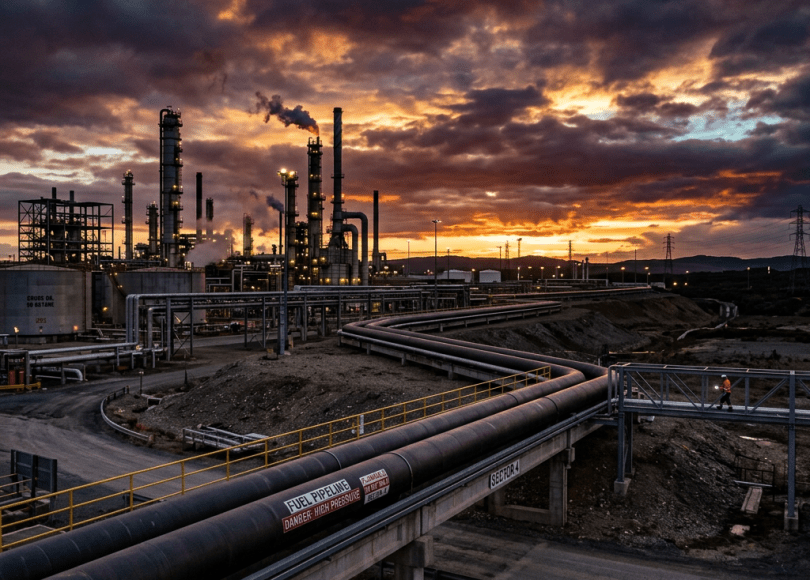
It’s the massive transportation network that moves gasoline, diesel, and jet fuel across thousands of miles.
Think of it like a highway for fuel.
Instead of trucks carrying fuel everywhere, pipelines move enormous volumes continuously.
When a major pipeline stops…
The effects ripple through the entire supply chain.
The Attack Begins
Early on May 7, the company discovered that its network had been compromised by ransomware.
Ransomware is malware that encrypts files and systems, preventing normal access until the victim restores from backups or otherwise recovers.
Although the attackers primarily affected business IT systems rather than the pipeline’s operational control systems, Colonial Pipeline made the difficult decision to temporarily shut down pipeline operations as a precaution.
It was a business decision driven by safety and uncertainty.
Why Shut Down the Pipeline?
Many people asked:
“If the ransomware wasn’t controlling the pumps, why stop fuel deliveries?”
The answer is risk management.
When organizations don’t fully understand the scope of an intrusion, they often choose the safest option.
Operating critical infrastructure without confidence in supporting systems can introduce unacceptable risks.
The shutdown wasn’t caused by exploding pipelines.
It was caused by uncertainty.
The Panic Buying Begins
Within hours, news spread across television and social media.
Drivers rushed to gas stations.
Many purchased far more fuel than they normally would.
Ironically…
The panic buying worsened shortages.
Some areas experienced temporary supply issues not because fuel no longer existed…
But because demand suddenly spiked.
The psychology of scarcity became part of the story.
Who Was Behind the Attack?
The ransomware was linked to a cybercriminal group known as DarkSide.
Unlike many traditional criminal organizations, ransomware groups often operate like businesses.
They may have:
- Customer support
- Negotiators
- Affiliate programs
- Payment instructions
Modern ransomware has evolved into an underground industry.
The Ransom Payment
Colonial Pipeline ultimately paid approximately $4.4 million in cryptocurrency to the attackers in hopes of speeding recovery.
Later, investigators from the Federal Bureau of Investigation recovered a substantial portion of that payment by tracing and seizing cryptocurrency associated with the attackers.
The incident demonstrated both the challenges and opportunities involved in investigating cybercrime.
Critical Infrastructure Became the Focus
The Colonial Pipeline incident changed the conversation.
Cybersecurity was no longer viewed as something affecting only:
- Banks
- Social media
- Online shopping
Now people understood that cyberattacks could affect:
- Fuel
- Transportation
- Healthcare
- Food supply chains
- Utilities
The physical and digital worlds had become deeply connected.
Why This Attack Was Different
Previous ransomware attacks often disrupted individual organizations.
Colonial Pipeline demonstrated something much bigger.
One company’s cybersecurity incident could affect millions of people who had never heard of the company before.
The attack transformed cybersecurity from an IT topic into a national infrastructure discussion.
Lessons Businesses Learned
Following the incident, organizations worldwide accelerated efforts around:
- Network segmentation
- Multi-factor authentication
- Incident response planning
- Backup strategies
- Critical infrastructure resilience
The event became a case study for executives, governments, and security professionals alike.
Five Lessons From Colonial Pipeline
⛽ Critical infrastructure depends on cybersecurity.
Digital systems increasingly support physical operations.
🔐 Business networks matter.
Even attacks on IT systems can disrupt operational decisions.
📦 Incident response plans save valuable time.
Preparation reduces confusion during crises.
👥 Human behavior influences outcomes.
Panic buying amplified shortages.
🌍 Cybersecurity affects everyday life.
People noticed the impact at the gas pump.
Timeline
| Date | Event |
|---|---|
| May 7, 2021 | Colonial Pipeline detects ransomware and suspends operations |
| Following days | Fuel shortages and panic buying occur in several regions |
| Shortly afterward | Pipeline operations gradually resume |
| Later | U.S. authorities recover a significant portion of the ransom payment |
Frequently Asked Questions (FAQ)
What happened during the Colonial Pipeline attack?
A ransomware attack affected Colonial Pipeline’s business systems, leading the company to temporarily halt pipeline operations as a precaution.
Did hackers shut down the pipeline directly?
Public reporting indicates the ransomware primarily affected IT systems, while the operational shutdown was a precautionary business decision.
Who was responsible?
The attack was attributed to the ransomware group DarkSide.
Why did gas stations run out of fuel?
Temporary shortages were driven by both operational disruption and a surge in consumer demand caused by panic buying.
What lesson did the incident teach?
Cybersecurity incidents affecting critical infrastructure can have real-world consequences far beyond the targeted organization.
Final Thoughts
The Colonial Pipeline attack changed how millions of people viewed cybersecurity.
Before 2021, many assumed a cyberattack meant stolen passwords or hacked websites.
After Colonial Pipeline, the public realized something far more important:
Software can influence the physical world.
A ransomware attack on one company can change transportation, commerce, and daily routines for millions.
It was a reminder that cybersecurity isn’t just protecting data.
It’s protecting the systems that modern society depends on every single day.
Discover more from Spyboy blog
Subscribe to get the latest posts sent to your email.
