
CamXploit: how to hack CCTV cameras
In today’s security landscape, the proliferation of Internet-connected devices creates both innovative opportunities and challenging vulnerabilities. One such area is
Think Like an Attacker. Secure Like a Pro. Where Curiosity Meets Cybersecurity. Ethical hacking, OSINT, bug bounty, and cybersecurity guides built on real-world experience.

In today’s security landscape, the proliferation of Internet-connected devices creates both innovative opportunities and challenging vulnerabilities. One such area is

Omnisci3nt equips users with a comprehensive toolkit for conducting web reconnaissance with precision and efficiency. Omnisci3nt is a powerful web

The tool hosts a fake website which uses an iframe to display a legit website and, if the target allows

A few years ago, cyberattacks required: Technical skill Coding knowledge Specialized tools Patience Attackers had to: Write phishing emails manually

Most people think deleting a file works like this: You click: 🗑 Delete And it disappears forever. Gone. Destroyed. Finished.

Most people see charging cables as boring accessories. You use them for: Charging phones Connecting devices Transferring files Powering gadgets

Bluetooth feels harmless. You use it for: Earbuds Smartwatches Cars Speakers File sharing Keyboards Fitness devices Most people turn it

Most people protect: Phones Laptops Social media accounts Passwords But they completely ignore one device connected to everything: The WiFi

Most people see smartwatches as simple gadgets. Something that: Counts steps Tracks workouts Shows notifications Monitors sleep Displays heart rate

People install free VPNs for one reason: Privacy. They want to: Hide browsing activity Stay anonymous Bypass restrictions Protect themselves
Most people worry about webcams. That little camera on your: Laptop Phone Smart TV Tablet People cover it with: Tape

Most people never think twice about old phones. They end up: In a drawer On a shelf Given to relatives

You’ve probably done this hundreds of times. You visit a website. Instead of creating an account manually, you see: Continue

Imagine getting a message saying: “We reviewed your profile and would like to offer you a remote job opportunity.” Good

A few years ago, fake videos looked obvious. Strange faces.Robotic voices.Weird movements. Easy to spot. Not anymore. Today, AI can

Most people think their accounts are safe because: They use a “strong” password They enabled 2FA They’ve never been hacked

Browser extensions feel harmless. You install one to: Block ads Download videos Track coupons Improve productivity Customize your browser Simple.

Smart TVs are supposed to make life easier. You sit down.Open Netflix.Watch YouTube.Stream movies.Use voice commands. Simple. But what most

Free WiFi feels harmless. You walk into: A café Airport Hotel Railway station Shopping mall You connect. No password.No setup.Instant

Most people think websites only know: Their name Email address Maybe location But the reality is far more unsettling. Your

QR codes are everywhere now. Restaurants.Parking meters.WhatsApp Web.UPI payments.Delivery apps.Railway stations.Online forms. Most people scan them without thinking twice. And

Have you ever talked about something near your phone… And suddenly started seeing ads for it? Maybe you mentioned: Shoes

Your Instagram account is more valuable than you think. It’s not just photos anymore. For many people, Instagram now contains:
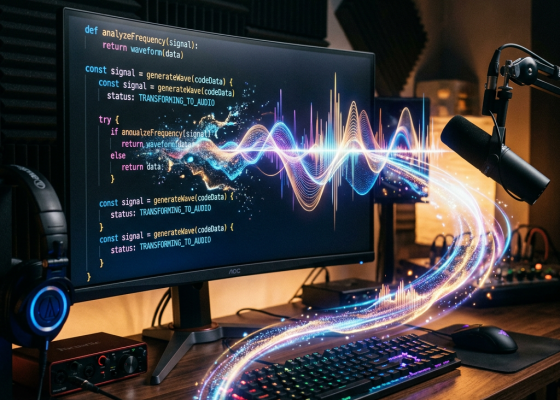
Imagine turning on your computer and hearing: “Welcome back, Sir. Ready to get things done today?” Sounds cool, right? You

Imagine turning on your computer and instead of the same boring wallpaper… 👉 You get a fresh motivational quote every

Tired of clicking through the Start menu just to shut down or restart? You can add Shutdown and Restart directly

Most people think a slow startup is just “how their PC is.”It’s not. A slow boot is usually the result
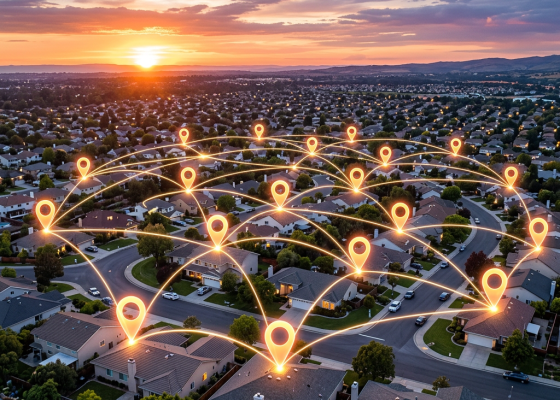
Whether it’s your kids heading to school, parents traveling alone, or a partner commuting late at night—knowing someone’s location can
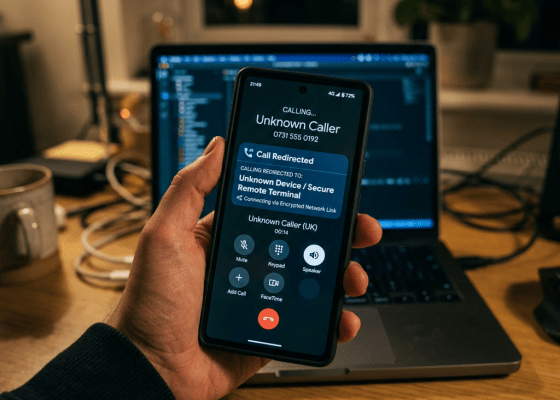
We’ve all done it. Someone says, “My phone’s dead—can I make a quick call?”It feels harmless, even helpful. But here’s

You’ve probably seen messages like: “Don’t open that image — hackers can see your IP and track your location.” Sounds
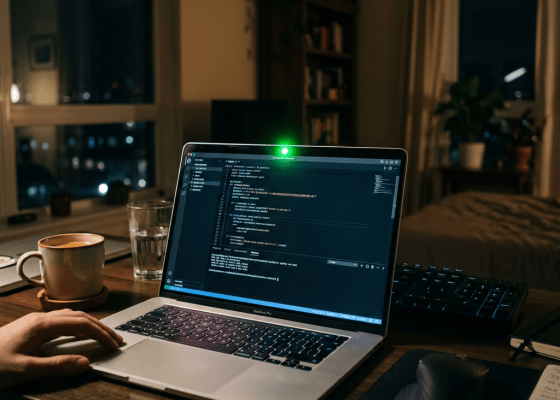
Short answer: Yes — but not magically. Attackers can only access your webcam/microphone if they’ve already: Installed malware on your

You’re connected to your home or café WiFi. Everything is normal.Suddenly—you get disconnected. You reconnect… and it happens again.Frustrating, right?

Your phone is your bank, identity, private life, and work hub—all in one device.Yet most people secure it with habits

For years, your SIM card has been the weakest link in your digital security. Most people don’t realize this. They

Most people think their PC is secure because they have: A Windows login password Maybe even a PIN or fingerprint

You probably believe you’re careful online. You don’t download shady apps You use a decent password You avoid obvious scams

Most people think Instagram hacking is obvious.A shady message. A weird login alert. A suspicious app. But in reality? The

Smartphones are no longer just communication devices—they are your bank, identity, camera, private vault, and digital life combined. Which is

You don’t need to download malware.You don’t need a weak password.You don’t even need to “do something risky.” One small

Instagram isn’t just a social app anymore — it’s identity, business, reputation, and sometimes even income. And in 2026, attackers

You didn’t type anything. You didn’t log in. You just clicked… and your browser already revealed a full profile. Most
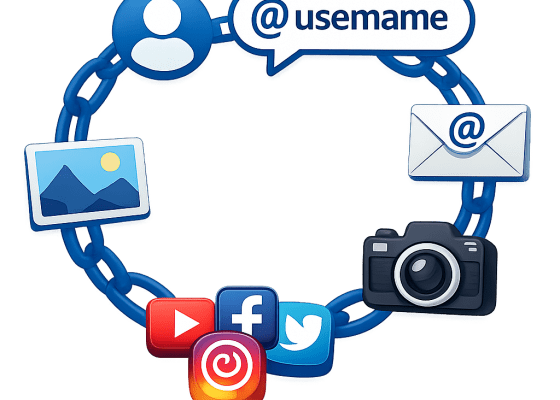
If someone wanted to learn about you using only public data… what would they find? Running OSINT on yourself is

A single photo can be enough to connect identities across the internet. Reverse image search has quietly become one of

You deleted the app… but not all the data it created. Uninstalling an app feels like a clean break. In

You didn’t upload anything… yet your browser still told a story about you. Every time you open a website, your

Most people aren’t “hacked” because attackers are highly skilled. They’re compromised because they’re predictable. In real-world incidents, attackers rarely pick
Attacks rarely begin with code—they begin with curiosity and a trail of public clues. When people think of “hacking,” they
